Using Off-Site Construction to Close the Affordable Housing Gap
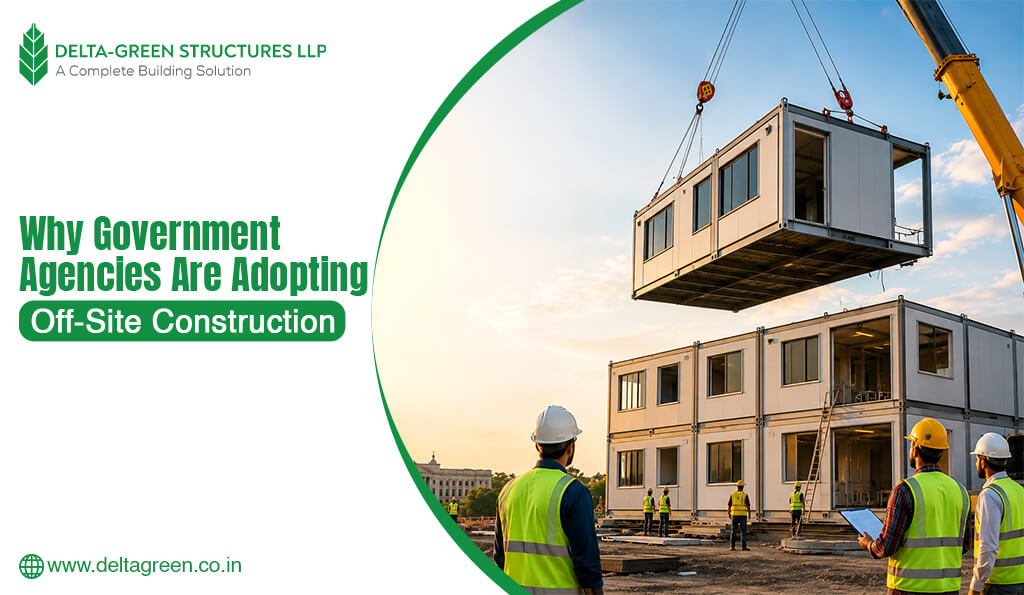
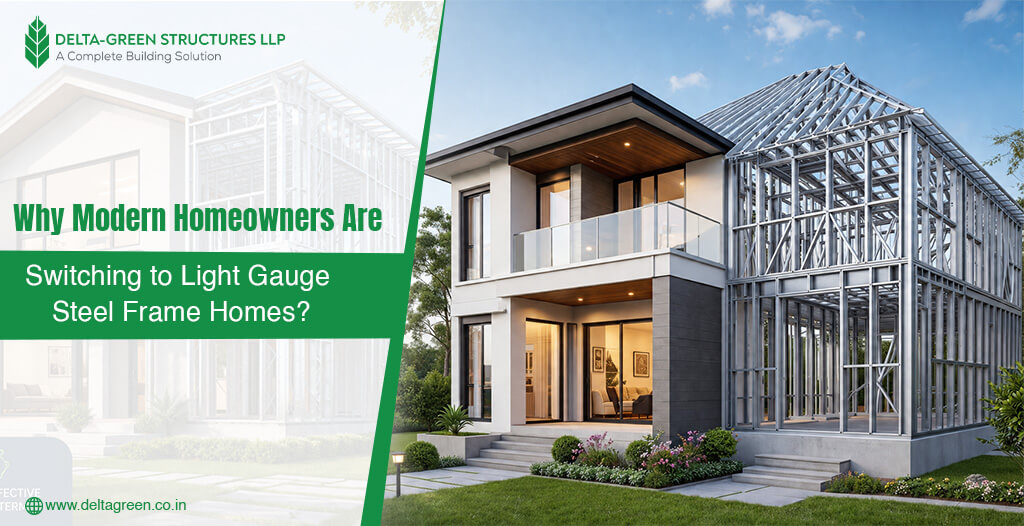
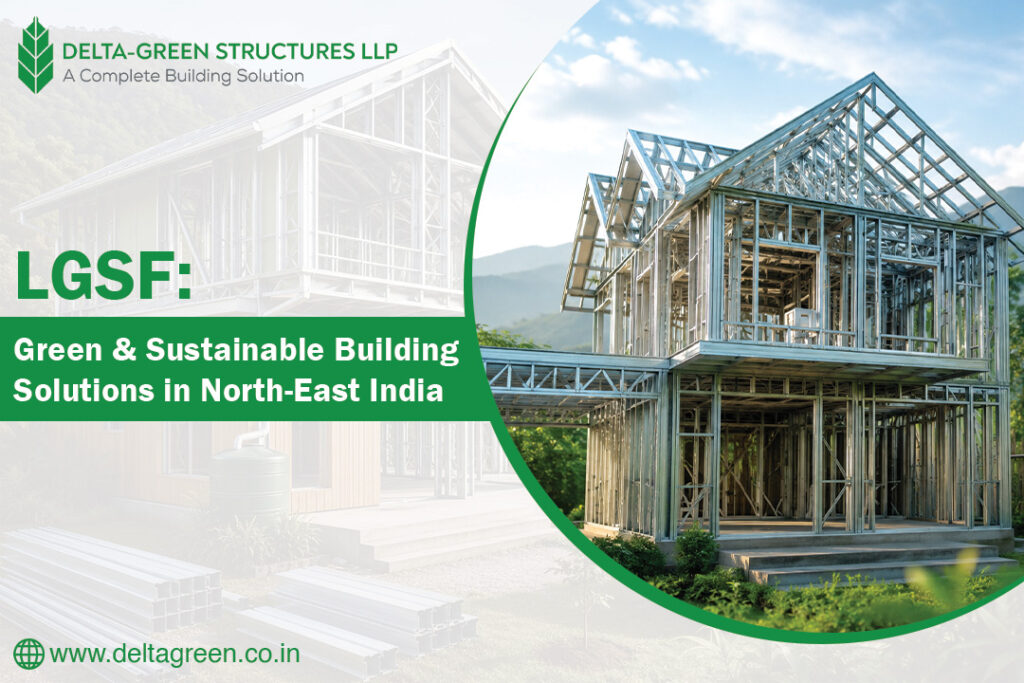
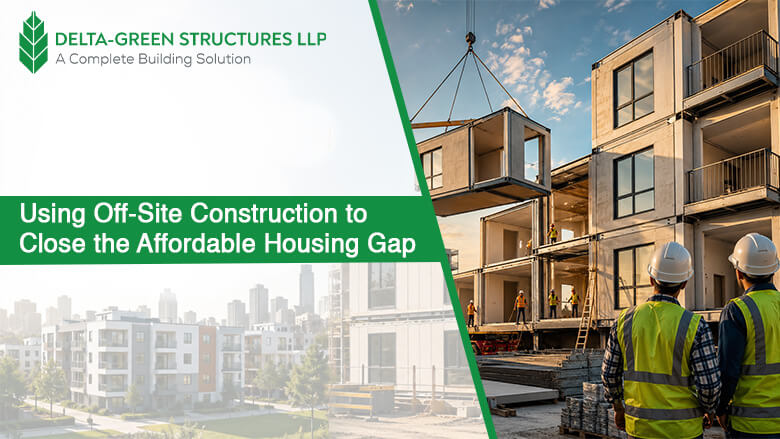
Using Off-Site Construction to Close the Affordable Housing Gap India’s affordable housing demand continues to outpace supply due to rapid urbanisation, rising land costs, labour shortages and increasing construction timelines. Conventional construction methods remain effective, but they often struggle to deliver large housing projects within increasingly demanding budgets and schedules. Off-site construction using Light Gauge Steel Frame (LGSF) technology offers a practical solution by shifting much of the construction process into a controlled manufacturing environment. This is why governments, developers, and others in the industry are turning toward Modern Methods of Construction (MMC) like Off-Site Construction for Affordable Housing – a smarter, faster, and more controlled way to build. What Exactly is Off-Site Construction? Off-site construction involves manufacturing structural components in a factory and assembling them at site. In LGSF construction, precision-engineered cold-formed steel sections are produced using CNC roll-forming machines, ensuring consistent quality, dimensional accuracy and rapid installation. This includes: Modular Construction Prefabricated Affordable Housing systems Factory-Built Homes Industrialized Construction techniques It is clean, efficient, and highly scalable. Why Off-Site Construction is the Perfect Fit for Affordable Housing Affordable housing needs three things: speed, cost control, and scalability. And that’s exactly where the Light Gauge Steel Framing system shines. 1. Faster Construction Without Compromising Quality With factory-built components, timelines shrink drastically. While traditional homes may take months or even years, Faster Construction using modular systems reduces that significantly. 2. Cost-Effective Housing That Actually Works One of the biggest benefits is predictability. Since everything is pre-engineered, there’s minimal waste and fewer unexpected expenses. This directly supports Cost-Effective Housing and Low-Cost Housing initiatives without compromising durability. 3. Reduced Construction Waste Factories operate with precision cutting and optimized material usage. That means significantly less waste compared to traditional on-site methods. This makes Sustainable Housing not just an idea but a practical reality. 4. Better Quality Control In a controlled factory setup, every module goes through strict quality checks. This leads to stronger structures and fewer defects compared to unpredictable site conditions. Modular Affordable Housing: The Future is Already Here Let’s talk about one of the most powerful outcomes of this system – Modular Affordable Housing. These are homes built in sections (modules), transported, and assembled on-site. They can be customized, expanded, or replicated at scale. This approach is redefining: Workforce Housing Social Housing Urban and rural housing development With Modular Construction, developers can respond quickly to demand spikes, especially in fast-growing regions. Sustainability Meets Speed: A Rare Combination Traditionally, speed and sustainability rarely went together in construction. But Light Gauge Steel Framing System’s factory-based production changes that equation. It enables: Energy-Efficient Homes Lower carbon footprint Less noise and site disruption Smarter resource utilization Where Delta Green Structures Comes In Delta Green Structures manufactures precision-engineered LGSF systems using automated Pinnacle roll-forming technology and BIM-based design workflows. From design and manufacturing to supply and turnkey execution, the company delivers high-quality off-site construction solutions across North-East India, including projects in challenging terrain. This is not just construction – it’s structured innovation at scale. Final Thoughts: Building Smarter Cities Starts Here As India continues investing in affordable housing, industrialised construction methods such as LGSF will play an increasingly important role in reducing project timelines, improving quality and delivering sustainable communities. Companies like Delta Green Structures are already showing how Factory-Built Homes and Modular Construction can reshape the housing landscape, especially in regions that need it most.
Using Off-Site Construction to Close the Affordable Housing Gap Read More »