Delta Green

June 2026

Light Gauge Steel Framing (LGSF): Best Construction Method for High Altitude Areas

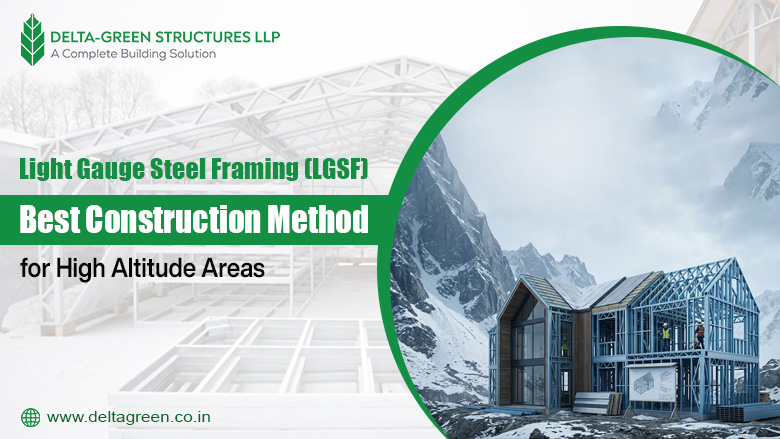
Light Gauge Steel Framing (LGSF): Best Construction Method for High Altitude Areas Building Strong Where Nature Tests the Hardest Snowfall. Landslides. Earthquakes. Heavy rain. Difficult transportation routes. Constructing buildings in mountainous terrain has never been easy. Traditional construction methods often struggle in these conditions because transporting heavy materials, managing labor, and maintaining construction speed become major challenges at high altitudes. This is where Light Gauge Steel Framing for High Altitude Areas is transforming the future of modern construction. From hill stations and border regions to remote mountainous zones, LGSF is becoming the preferred construction solution for engineers, architects, government projects, and private developers who need structures that are fast, durable, lightweight, and climate-resistant. At Delta Green Structures, advanced LGSF technology and fully automated Pinnacle manufacturing systems are helping redefine how modern buildings are constructed in challenging terrains across India. Why Traditional Construction Faces Problems in High Altitude Regions Building in mountainous areas is very different from building in cities or plains. High altitude locations create practical problems that directly affect project timelines and structural safety. Some of the biggest challenges include: Difficulty transporting cement, sand, and heavy materials Short construction seasons due to weather Increased labor and logistics costs Risk of earthquakes and soil movement Moisture damage caused by snow and rainfall Delays due to inaccessible terrain Traditional RCC structures often become slow, expensive, and difficult to manage in these environments. This is why experts are now choosing light gauge steel framing in high altitude regions for faster and more reliable project execution. What is Light Gauge Steel Framing (LGSF)? Light Gauge Steel Framing is a modern construction system that uses cold-formed galvanized steel sections to create strong structural frameworks for buildings. Unlike conventional concrete construction, LGSF structures are manufactured with precision-engineered steel components that are lightweight, durable, and easy to assemble on-site. The biggest advantage? The entire system is designed for speed, accuracy, and long-term performance — especially in difficult geographical conditions. At Delta Green Structures, every frame is manufactured using advanced automated technology to ensure superior precision and structural quality. Why LGSF is the Best Choice for High Altitude Areas 1. Lightweight Yet Extremely Strong One of the biggest advantages of Light Gauge Steel Framing for High Altitude Areas is its lightweight nature. In hilly regions, heavy structures increase pressure on unstable soil and foundations. LGSF significantly reduces dead load compared to concrete structures, making buildings safer and more stable on mountain slopes. This makes lightweight steel structures for hills highly effective for: Resorts Hotels Homestays Army camps Educational institutions Healthcare facilities Government infrastructure projects Even in remote locations, transporting steel sections becomes easier and more cost-efficient. 2. Faster Construction in Difficult Terrain Time is critical in mountainous regions because weather conditions can stop work unexpectedly. One of the biggest reasons behind the rise of fast construction in hilly terrain using LGSF is the speed of installation. Since most components are pre-engineered and manufactured off-site, on-site construction becomes faster, cleaner, and more organized. Compared to traditional methods, LGSF can reduce construction timelines dramatically. This is especially useful for: Border infrastructure projects Emergency housing Tourism properties Government development projects in remote regions At Delta Green Structures, turnkey LGSF solutions help clients complete projects within shorter deadlines without compromising quality. 3. Excellent Performance in Cold Climate Conditions High altitude areas often face freezing temperatures, moisture, and heavy snowfall. Concrete structures can develop cracks due to temperature fluctuations over time. Steel framing systems, however, perform exceptionally well when designed properly with insulation and weather-resistant materials. This makes LGSF for cold climate construction one of the smartest modern solutions for mountain architecture. Benefits include: Better thermal insulation possibilities Reduced moisture absorption Lower maintenance Long structural life Resistance to rust with galvanized coatings For regions that experience severe winters, LGSF provides long-term reliability with minimal structural deterioration. 4. Better Earthquake Resistance Mountainous regions are often located in seismic zones where earthquakes are a serious concern. One major advantage of LGSF for seismic zones is flexibility. Steel structures absorb and distribute seismic energy better than rigid concrete systems, reducing the risk of catastrophic failure. Because LGSF structures are lighter, the seismic load acting on the building also becomes lower. This makes steel frame buildings in mountainous areas safer for occupants and more reliable during seismic activity. For earthquake-prone hill regions in India and the North-East, this construction method is becoming increasingly preferred by infrastructure planners. 5. Eco-Friendly and Sustainable Construction Modern construction is no longer only about speed. Sustainability also matters. LGSF systems generate minimal construction waste and use recyclable steel components. They also require less water compared to traditional construction methods. In environmentally sensitive mountain ecosystems, this becomes a major advantage. With growing demand for green infrastructure, high altitude construction using LGSF is helping developers reduce environmental impact while maintaining high construction standards. Smart Construction for Tourism and Hospitality Projects Tourism in mountain regions is growing rapidly. Resorts, eco-retreats, boutique stays, and premium homestays are being developed across hilly destinations. But investors now want structures that are: Faster to build Energy efficient Visually modern Durable in extreme climates This is exactly why LGSF construction in hilly regions is gaining popularity in the hospitality industry. LGSF allows flexible architectural designs while ensuring structural safety and quicker project delivery. At Delta Green Structures, customized LGSF packages help hospitality businesses create modern infrastructure even in geographically challenging areas. The Future of Mountain Construction is Steel-Framed The future of construction in high altitude regions will depend on technologies that are: Faster Safer Smarter More sustainable Traditional construction methods often struggle to meet the demands of modern mountain infrastructure. In contrast, Light Gauge Steel Framing for High Altitude Areas delivers the perfect balance of strength, speed, flexibility, and durability. Whether it is government infrastructure, tourism projects, healthcare facilities, or residential developments, LGSF is proving to be the smarter choice for difficult terrains. With advanced manufacturing capabilities, premium materials, and expertise in challenging geographical conditions, Delta Green Structures is helping shape a new era of construction across high altitude

Light Gauge Steel Framing (LGSF): Best Construction Method for High Altitude Areas Read More »
Construction Challenges in North-East India & How LGSF Solves Them

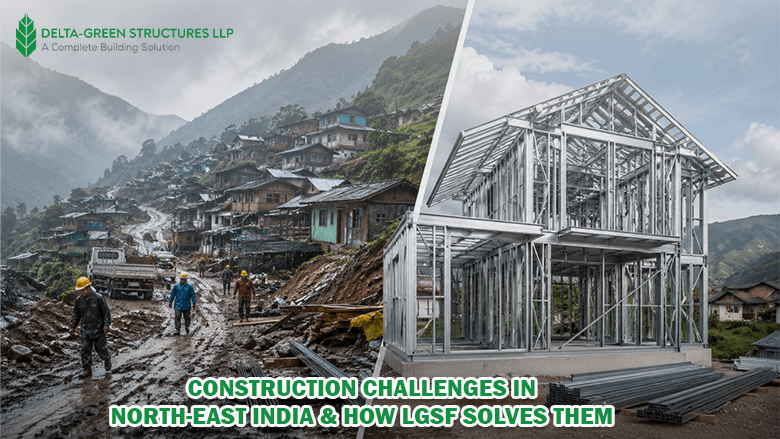
Construction Challenges in North-East India & How LGSF Solves Them Building in the North-East Was Never Easy, Until Now. Heavy rainfall, Landslide-prone roads, Earthquake-sensitive zones, Remote locations, Transportation delays, Short working seasons. Construction in North-East India has always been a different game altogether. While traditional brick-and-cement structures struggle with climate, terrain, and logistics, a smarter construction revolution is quietly changing the landscape – LGSF Construction in North-East India. And honestly! It’s not just a “new method” anymore. It’s becoming the future of fast, durable, and climate-smart infrastructure across the region. This is where companies like Delta Green Structures are stepping in with advanced technology, faster execution, and practical building solutions designed specifically for the North-East. Why Construction in North-East India Is So Challenging The North-East is one of the most beautiful regions in India but for builders, it comes with serious construction obstacles. 1. Difficult Terrain & Transportation Issues Transporting heavy materials through hilly roads and remote areas is expensive and time-consuming. In many locations, large construction equipment cannot even reach the site properly. Traditional construction depends heavily on: Sand Cement Bricks Large labor teams Continuous material supply One road blockage due to landslides or rain can delay an entire project for weeks. That’s one of the biggest reasons why Steel frame construction North East India is gaining attention. LGSF structures use lightweight steel components manufactured with precision and transported easily to project sites. Less weight. Less hassle. Faster assembly. Simple. 2. The Rain Problem Nobody Talks About North-East India receives some of the heaviest rainfall in the country. And rain affects construction more than people realize. Traditional construction often faces: Water seepage Damp walls Slow curing time Cracks due to moisture damage Long project delays during monsoon This is where Light Gauge Steel Frame construction North East India changes the entire approach. LGSF structures are manufactured off-site using automated machines, which mean: Minimal on-site construction dependency Faster installation Reduced weather impact Better structural consistency Even during challenging weather conditions, project timelines remain far more manageable compared to conventional methods. 3. Earthquake Zones Need Smarter Structures Here’s a fact many overlook: Most North-Eastern states fall under high seismic zones. That means buildings here need flexibility, reduced dead load, and better structural performance during earthquakes. Traditional heavy concrete structures increase seismic load. But LGSF Construction in North-East India offers a lightweight alternative that performs significantly better in seismic conditions. Why? Because steel framing systems: Reduce overall structural weight Distribute load efficiently Offer better flexibility during vibrations Minimize structural stress This makes LGSF one of the most practical choices for modern infrastructure in the region. And this isn’t just theory anymore. It’s already being implemented in residential, institutional, and commercial projects across challenging terrains. Speed Matters More Than Ever In the North-East, construction time isn’t just about convenience. It affects: Labor cost Material storage Weather exposure Government deadlines Operational expenses Traditional projects often stretch far beyond expected timelines. But the LGSF building system North East India approach changes the pace completely. Since most structural components are pre-engineered and precision-manufactured, installation becomes dramatically faster. Projects that normally take many months can often be completed in a much shorter timeframe. That’s a massive advantage for: Government infrastructure Schools Hospitals Tourism projects Site offices Resorts Residential housing Fast construction is no longer a luxury. In the North-East, it’s becoming a necessity. Why LGSF Is Perfect for Remote & High-Altitude Areas One of the biggest strengths of LGSF housing projects in North East India is adaptability. Whether it’s: Mountain regions Rural areas Forest-side developments Border infrastructure Tourism properties LGSF systems work efficiently where conventional construction becomes difficult. The lightweight steel sections reduce transportation challenges, while prefabrication reduces dependency on large local labor availability. That’s exactly why many modern developers are now exploring LGSF for: Eco resorts Homestays Staff quarters Educational buildings Commercial spaces And the best part? The design flexibility is surprisingly high. Modern LGSF structures don’t look temporary or industrial anymore. They can be sleek, premium, aesthetic, and highly customized. Delta Green Structures LLP: Bringing Advanced LGSF Technology to the North-East When discussing modern LGSF Construction in North-East India, Delta Green Structures stands out as one of the few companies bringing advanced manufacturing capabilities directly into the region. Being the only manufacturing unit in North-East India equipped with fully automated Pinnacle machines gives them a major edge in precision, consistency, and faster project delivery. But what makes Delta Green Structures different isn’t just machinery. It’s their practical understanding of North-Eastern geography and construction challenges. From difficult climatic conditions to remote project execution, the company focuses on delivering: Turnkey construction solutions Customizable packages Consultancy support Precision engineering Faster turnaround time And in a region where delays are common, execution quality matters a lot. Sustainability Is Becoming a Bigger Priority Construction today isn’t only about building fast. People are now asking:  “How sustainable is the structure?” Traditional construction creates significant material wastage and environmental impact. LGSF systems help reduce: Material waste Water usage On-site pollution Construction debris That makes Steel frame construction North East India a smarter option for future-ready infrastructure. Especially in ecologically sensitive regions like the North-East, sustainable building methods matter more than ever. The Future of Construction in North-East India Is Already Here The construction industry in the North-East is changing rapidly. People now want: Faster project completion Better durability Earthquake-resistant structures Lower maintenance Modern design flexibility Sustainable infrastructure And traditional construction methods are struggling to keep up with these expectations. That’s why LGSF Construction in North-East India is no longer just an alternative – it’s becoming the preferred solution for modern development. With advanced manufacturing, precision technology, and expertise in complex terrains, Delta Green Structures is helping shape this transformation across the region. Because in places where nature tests every structure, smarter construction is no longer optional. It’s essential.

Construction Challenges in North-East India & How LGSF Solves Them Read More »

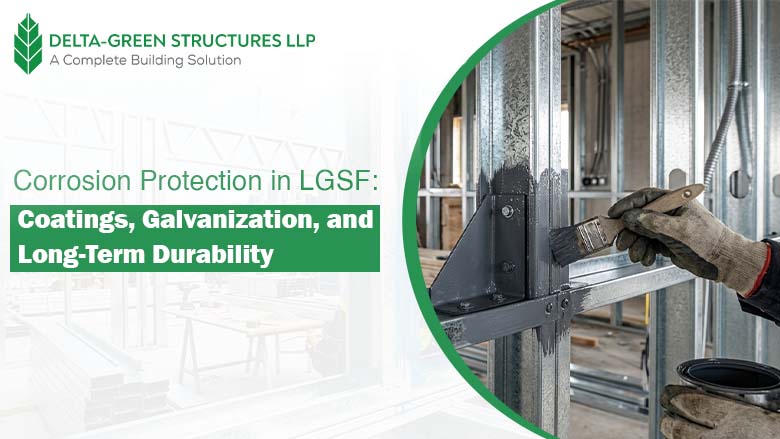
Corrosion Protection in LGSF: Coatings, Galvanization, and Long-Term Durability

Corrosion Protection in LGSF: Coatings, Galvanization, and Long-Term Durability Because true strength is not just about structure – it’s about lasting performance. Light Gauge Steel Framing (LGSF) has transformed modern construction with faster execution, precision engineering, and exceptional structural strength. But beyond speed and efficiency lies one critical factor that determines how long a structure truly performs: corrosion protection in LGSF. Steel naturally reacts with moisture, oxygen, and environmental pollutants. Without proper protection, corrosion gradually weakens the structure over time. In regions with high humidity, heavy rainfall, coastal air, or fluctuating temperatures, this risk increases significantly. That’s why modern LGSF construction no longer relies on ordinary zinc-coated steel alone. Today, advanced systems use Galvalume-coated steel – a superior protective alloy of aluminium and zinc designed for enhanced corrosion resistance and long-term durability. At Delta Green Structures, corrosion protection is engineered into every frame from the very beginning, ensuring structures remain durable, reliable, and resilient for decades. Understanding Corrosion in LGSF Structures Before understanding the solution, it’s important to understand the challenge. Corrosion occurs when steel reacts with environmental elements such as water, oxygen, humidity, salts, and pollutants. This chemical reaction leads to oxidation, commonly known as rust, which slowly affects the integrity and strength of the material. In LGSF systems, corrosion risks are influenced by factors such as: High humidity and rainfall Coastal or saline environments Industrial pollution Poor drainage or water accumulation Inadequate protective coatings Long-term exposure to moisture Without proper corrosion protection for light gauge steel, even advanced structures may experience premature deterioration. This is why selecting the right protective coating system is one of the most important decisions in LGSF construction. Galvalume Coating: The Advanced Protection System for LGSF More than zinc – engineered protection for modern construction.Traditional galvanized steel uses only zinc coating for protection. While effective, modern LGSF construction increasingly uses Galvalume coating, which offers significantly better durability and corrosion resistance. Galvalume is a specially engineered metallic coating made of: 55% Aluminium 4% Zinc 6% Silicon This unique aluminium-zinc alloy combines the strengths of both metals to create superior long-term protection for steel framing systems. At Delta Green Structures, Galvalume-coated steel is used to ensure maximum durability, especially in challenging environmental conditions. Why Galvalume Performs Better Than Traditional Zinc Coating 1. Superior Corrosion ResistanceThe aluminium component creates a strong protective barrier against moisture and environmental exposure, while zinc provides sacrificial protection to exposed areas. This dual-action protection significantly slows down corrosion. 2. Better Performance in Humid & Coastal AreasGalvalume performs exceptionally well in: High-rainfall regions Coastal environments Humid climates Industrial zones This makes it highly suitable for projects across North-East India and other demanding climatic regions. 3. Longer Structural LifespanCompared to standard galvanized coatings, Galvalume-coated steel offers a much longer service life with reduced maintenance requirements. 4. Improved Heat & Oxidation ResistanceThe aluminium content enhances resistance to heat and surface degradation, helping maintain structural performance over time. 5. Cost Efficiency in the Long RunAlthough advanced in composition, Galvalume reduces long-term repair and maintenance costs due to its superior durability. How Galvalume Protects Steel Structures The effectiveness of Galvalume lies in how aluminium and zinc work together. Aluminium Barrier Protection: Aluminium forms a stable protective layer over the steel surface, preventing moisture and oxygen from reaching the metal beneath. Zinc Sacrificial Protection: If scratches or exposed areas appear, zinc protects the steel by corroding first – a process known as sacrificial protection. This combination creates a highly durable anti-corrosion system ideal for LGSF construction. Protective Coatings for LGSF: Adding an Extra Layer of Security While Galvalume provides exceptional baseline protection, additional protective coatings for LGSF can further enhance durability in extreme environments. Common Protective Coatings Used in LGSF 1. Epoxy Coatings Excellent moisture resistance Strong adhesion properties Suitable for industrial environments 2. Polyurethane Coatings UV-resistant Long-lasting finish Ideal for exposed applications 3. Powder Coatings Uniform protective layer Eco-friendly application Resistant to wear and surface damage These advanced coatings act as an additional shield, minimizing direct environmental exposure and improving long-term performance. Smart Structural Design Also Prevents Corrosion Corrosion protection is not only about coatings – design plays an equally important role. Even the best protective systems can fail if water accumulation, poor ventilation, or drainage issues are ignored. Key Design Practices for Corrosion Prevention: Proper drainage planning Avoiding water traps in joints Adequate ventilation in enclosed areas Sealed structural connections Moisture management systems At Delta Green Structures, engineering design and material protection work together to ensure long-term structural durability. Environmental Conditions Matter Different locations require different levels of corrosion protection. High Humidity Zones: Require enhanced protective systems due to continuous moisture exposure. Coastal Regions: Salt-laden air accelerates corrosion, making Galvalume coating highly beneficial. Industrial Areas: Pollutants and chemicals demand stronger protective coatings and advanced material selection. This is why climate-specific engineering is essential in modern LGSF construction. Maintenance: Minimal but Important One major advantage of Galvalume-coated steel is reduced maintenance requirements. However, periodic inspection still helps maximize structural lifespan. Simple Maintenance Practices: Inspect exposed areas periodically Ensure drainage systems function properly Clean accumulated dirt or debris With high-quality Galvalume-coated steel and proper engineering, maintenance remains minimal compared to conventional construction materials. Why Corrosion Protection Defines the Life of an LGSF Structure A structure’s true lifespan depends on how effectively it resists environmental damage over time. Proper corrosion protection in LGSF ensures: Long-term structural integrity Reduced maintenance costs Higher durability and reliability Improved safety Better long-term return on investment This transforms LGSF from simply a fast construction method into a truly sustainable long-term building solution. Delta Green Structures: Building for Durability from Day One At Delta Green Structures, durability is engineered into every stage of construction. From premium Galvalume-coated steel framing systems to advanced protective solutions and precision manufacturing, every detail is selected to maximize structural life and performance. Their approach combines: High-quality aluminium-zinc alloy coated steel Precision-engineered framing systems Climate-specific corrosion protection Advanced manufacturing standards Long-term durability-focused design The result is stronger, smarter, and more resilient structures built for modern conditions. Final Thoughts: Build Once,

Corrosion Protection in LGSF: Coatings, Galvanization, and Long-Term Durability Read More »

Solar Panel Mounting Solutions for Industrial vs Residential Projects

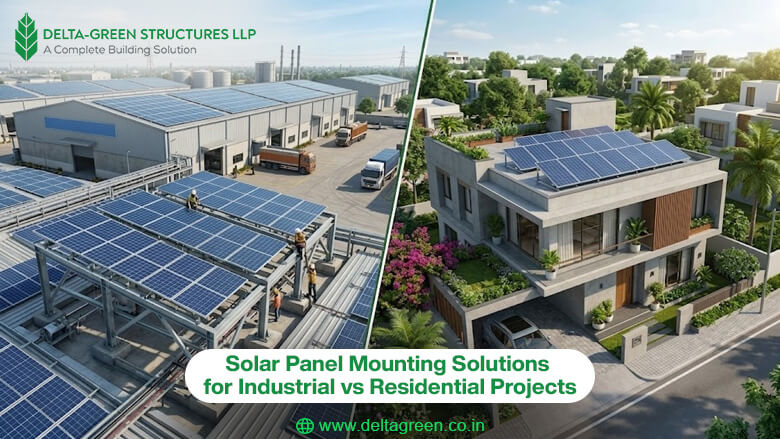
Solar Panel Mounting Solutions for Industrial vs Residential Projects Same sun. Very different structures. Here’s what you need to know.Solar energy works for everyone – homes, factories, warehouses, and everything in between. But a mounting structure built for a family home is very different from one built for a large industrial plant. Choosing the wrong structure means poor performance, higher costs, and unnecessary repairs down the line. What Is a Solar Panel Mounting Structure? A solar mounting solution is the frame that holds your solar panels in place. It determines:  The angle at which panels face the sun How well they withstand wind, rain, and heat How easy they are to clean and maintain How long does your entire solar system last Get the structure right, and your panels perform at their best – for 25 years or more. Residential Solar Mounting Solutions? Best for: Homes, independent houses, housing societies, small offices Most homes in India have sloped or flat RCC rooftops. Residential solar mounting systems are designed to work with these surfaces without causing damage. Common types used: Sloped roof mounting – panels sit flush along the roof angle using hooks and aluminium rails Flat rooftop mounting – panels are tilted at an optimal angle using a ballasted or anchored frame Small ground mount – used when roof space is limited or shaded Key characteristics of residential structures: Lighter in weight – designed for standard roof load capacity Compact and clean in appearance Easier and faster to install System size typically ranges from 1 kW to 10 kW What matters most for homes: Roof condition and load-bearing capacity Minimal roof penetration to avoid leakage Neat finish that does not affect the look of the home Long-term durability with low maintenance Industrial Solar Mounting Solutions Best for: Factories, warehouses, manufacturing plants, large commercial buildings, solar farms   Industrial projects play a unique game entirely. The scale is larger, the loads are heavier. The structures must perform under far more demanding conditions. Common types used: Large rooftop solar structures – for flat industrial sheds and warehouse rooftops Ground mount solar – for open land adjacent to factories or for utility-scale solar farms Fixed tilt solar structure – the most widely used type for large industrial and utility projects Solar carport structures – for large parking areas within industrial campuses Canal top structures – for industries near irrigation canals or water bodies Key characteristics of industrial structures: Heavy-duty galvanised steel construction for ultimate strength Designed for high wind loads and cyclonic conditions The system is designed for quick and simple large-scale assembly on site Pre-fabrication minimises labour assembly times Typical size is 50kw up to multi-mega watts What matters most for industries: Structural load calculations and wind zone compliance Fast installation to minimise operational disruption Corrosion-resistant materials for long outdoor life Compatibility with large-format solar panels Scalability for future expansion Industrial vs Residential: A Quick Comparison You can just look at the quick comparison table to show what are the basic differences between residential and industrial solar mounting solutions.   Factor Residential Industrial System Size 1 kW – 10 kW 50 kW – several MW Structure Material Aluminium / Light steel Heavy-duty galvanised steel Mounting Type Rooftop (sloped/flat) Rooftop, ground mount, carport Installation Time 1–2 days Days to weeks Load Requirements Standard roof load Heavy structural engineering Maintenance Minimal Scheduled, easy access Cost per Watt Higher (small scale) Lower (bulk, economies of scale) Why the Right Structure Matters A solar panel is only as good as the structure holding it. A poorly designed structure can damage your roof Wrong tilt angles mean less energy generated Inferior materials corrode fast – shortening system life Undersized frames under heavy wind loads can fail entirely Whether it is a small rooftop solar system for a home or a large ground-mount solar farm for an industry, the structure must be engineered for the specific site, load, and weather conditions of that location. What Delta Green Structures Offers Delta Green Structures is a dedicated solar structure manufacturer supplying mounting solutions across India for both residential and industrial projects. They have excelled in delivering effective solutions for both types of projects. For residential projects: Lightweight rooftop frames Clean, minimal design for homes Available for both flat and sloped roofs For industrial projects: Heavy-duty galvanised steel structures Ground mount, rooftop, carport, and canal top options Pre-engineered for wind and load compliance Fast bolt-together assembly for large sites Every structure Delta Green Structures supplies is backed by engineering support, load calculations, and material certifications. Why Choose Delta Green Structures for Solar panel Mounting Solutions? Your panels deserve more than just a frame. They deserve a foundation built to last. At Delta Green Structures, we do not just manufacture solar mounting structures — we engineer long-term performance into every component we produce. Here is why solar developers, contractors, and businesses choose Delta Green Structures: Direct manufacturer – no middlemen, no inflated costs. You get factory-direct pricing with consistent quality every time. Complete range – rooftop, ground mount, fixed tilt, carport, and canal top structures – all under one roof. One supplier for every project needed. Engineered for Indian conditions – designed to withstand heavy monsoons, high winds, coastal humidity, and extreme heat across all Indian climate zones. High-grade materials – hot-dip galvanised steel and aluminium-Zinc alloy frames that resist corrosion and stand strong for 25+ years. Pre-fabricated for speed – bolt-together designs that cut installation time and reduce on-site labour costs significantly. Custom solutions – every project is different. We design structures tailored to your site dimensions, load requirements, and panel specifications. Engineering-backed – load calculations, wind zone compliance, and structural certifications provided with every supply. Frequently Asked Questions (FAQs) Q1. What is the optimal mounting system on the rooftop of the house? Homes are best suited with light steel or sloped roof structures. They are not heavy, will not rust, and will not harm the roof. Q2. What is the structure of large industrial solar projects? The most common type

Solar Panel Mounting Solutions for Industrial vs Residential Projects Read More »