Delta Green

Prefabricated steel structures

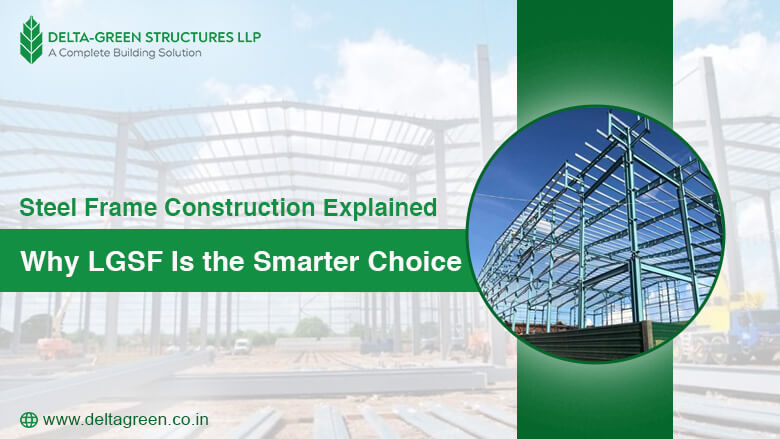
Steel Frame Construction Explained: Why LGSF Is the Smarter Choice

Steel Frame Construction Explained: Why LGSF Is the Smarter Choice Stronger Structures. Faster Construction. Smarter Investment. Imagine constructing a modern building in nearly half the time while ensuring greater durability, better sustainability, and long-term cost savings. Sounds ambitious? That’s exactly what LGSF Steel Frame Construction is delivering to the modern construction industry. Across the world and increasingly in India, developers, architects, and homeowners are turning toward Light Gauge Steel Frame (LGSF) construction as a smarter alternative to traditional building methods. With precision engineering, fast assembly, and environmentally responsible materials, this modern steel frame building system is transforming the way structures are designed and built. Leading this transformation in the North-East is Delta Green Structures, bringing advanced LGSF Steel Frame Construction technology through automated manufacturing and turnkey project solutions. Let’s explore why this innovative building system is quickly becoming the future of steel frame construction in India. The Shift in Construction: Why Traditional Methods Are Changing For decades, brick-and-cement construction dominated the building industry. While reliable, it comes with challenges: Long construction timelines Higher labor dependency Increased material wastage Structural limitations in difficult terrains Modern infrastructure demands smarter solutions. This is where LGSF Steel Frame Construction enters the picture. By using prefabricated steel frame structures, buildings can be designed with precision and assembled efficiently. Instead of constructing everything from scratch on-site, components are manufactured using automated technology and installed quickly. This is why fast construction technology LGSF is becoming increasingly popular among developers seeking speed, quality, and reliability. What Exactly Is LGSF Steel Frame Construction? LGSF Steel Frame Construction refers to a building method that uses lightweight, cold-formed steel sections to create the structural skeleton of a building. These steel frames are manufactured using high-precision automated machines and assembled to form: Structural Walls Floors Roof systems Because the material is strong yet lightweight, lightweight steel structure construction reduces foundation loads while maintaining structural integrity. At Delta Green Structures, advanced manufacturing technology ensures every frame is engineered with accuracy, making projects more reliable and efficient. Why LGSF Is Becoming the Future of Steel Frame Construction in India India’s diverse climate and geographical conditions require buildings that are both resilient and adaptable. Traditional construction often struggles to meet these demands efficiently. Steel frame construction in India using LGSF technology solves several major challenges: Faster project delivery Better structural performance Reduced material waste Improved environmental sustainability Companies like Delta Green Structures are helping developers adopt LGSF Steel Frame Construction to create buildings that are both durable and future-ready. Top LGSF Construction Benefits That Make It a Smarter Choice 1. Faster Construction Without Compromising Quality Speed is one of the biggest LGSF construction benefits. Because components are pre-engineered and prefabricated, the construction process becomes more efficient. Builders simply assemble the frames on-site instead of creating every structural element manually. Projects using prefabricated steel frame structures can often be completed 30–50% faster than traditional construction methods. 2. Exceptional Strength with Lightweight Materials Despite its lightweight, steel offers incredible structural strength. This makes LGSF Steel Frame Construction ideal for multi-story buildings, residential homes, and commercial structures. The strength-to-weight ratio of steel ensures durability while minimizing structural load. This is why lightweight steel structure construction is widely used in modern architecture. 3. Earthquake-Resistant Structural Design Safety is a critical factor in building design. One of the key advantages of light gauge steel framing is its flexibility and resilience during seismic activity. Steel frames absorb and distribute forces better than rigid concrete structures. This makes earthquake-resistant steel frame buildings a reliable solution in many parts of India. 4. Sustainable Steel Frame Construction Environmental responsibility is shaping the future of construction. Sustainable steel frame construction offers several eco-friendly benefits: Steel is completely recyclable Less construction waste Reduced water usage Improved energy efficiency Developers focusing on green building with LGSF technology can significantly lower the environmental impact of their projects. 5. Cost-Effective in the Long Run While modern construction technologies may initially appear expensive, cost-effective steel frame construction often results in significant long-term savings. Savings come from: Reduced labor costs Faster project completion Lower maintenance expenses Less material wastage With efficient project planning and manufacturing expertise, Delta Green Structures helps clients maximize the economic benefits of LGSF Steel Frame Construction. LGSF vs. Traditional Construction: A Quick Comparison When comparing LGSF vs. traditional construction, the differences become clear. Feature LGSF Steel Frame Construction Traditional Construction Construction Time Much faster Slower Structural Strength High strength-to-weight ratio Heavy materials Sustainability Eco-friendly Higher environmental impact Maintenance Low-maintenance steel frame buildings Higher maintenance Precision Machine engineered Manual variability This comparison clearly shows why modern steel frame building systems are becoming the preferred choice for many developers. Where LGSF Steel Frame Construction Is Used One of the biggest advantages of LGSF Steel Frame Construction is versatility. Today, commercial and residential LGSF construction is widely used for: Modern residential homes Hotels and resorts Office buildings Educational institutions Industrial facilities Portable and modular structures With customized design solutions, Delta Green Structures helps developers implement prefabricated steel frame structures that meet specific project requirements. The Future of Construction Is Smart, Fast, and Sustainable As cities grow and infrastructure demands increase, the need for efficient building technologies will only rise. Fast construction technology LGSF represents the next generation of building systems—combining engineering precision, sustainability, and durability. With advanced manufacturing capabilities and expertise in complex terrains, Delta Green Structures is leading the transformation of steel frame construction in India. Their commitment to innovation ensures that every LGSF Steel Frame Construction project meets modern industry standards while delivering superior performance. Final Thoughts: Why LGSF Is the Smarter Choice Construction today is not just about building structures—it’s about building efficient, durable, and sustainable spaces for the future. From earthquake-resistant steel frame buildings to low-maintenance steel frame buildings, LGSF Steel Frame Construction offers a smarter alternative to traditional construction methods. For developers, architects, and homeowners looking for cost-effective steel frame construction, the choice is becoming clear. With innovative solutions from Delta Green Structures, the future of construction is not only stronger but also faster, greener,

Steel Frame Construction Explained: Why LGSF Is the Smarter Choice Read More »

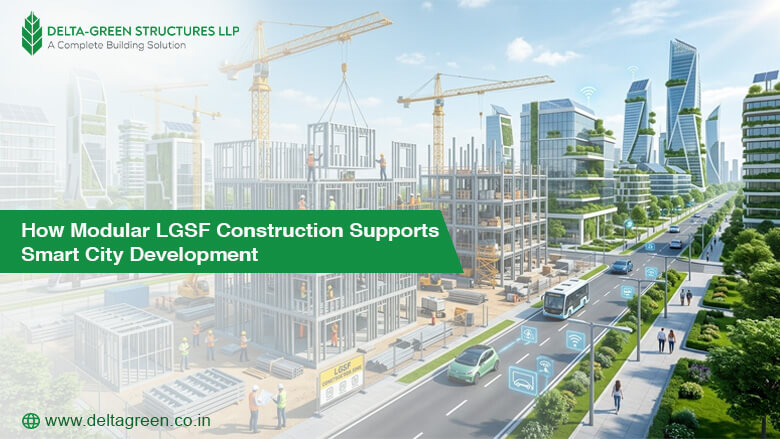
How Modular LGSF Construction Supports Smart City Development

How Modular LGSF Construction Supports Smart City Development Cities today are growing at a pace never seen before. Populations are expanding, infrastructure needs are multiplying, and governments around the world are working toward a shared vision — smart cities that are efficient, sustainable, and future-ready. But building a smart city is not just about digital technology or connected systems. It begins with how the city itself is constructed. Traditional construction methods often struggle with delays, rising costs, and environmental impact. This is exactly where Modular LGSF Construction for Smart City Development is changing the game. Using advanced LGSF construction technology, developers can now build faster, smarter, and more sustainably than ever before. And companies like Delta Green Structures are helping lead this transformation by introducing precision-engineered Lightweight Steel Frame construction solutions designed for modern urban needs. The Construction Challenge Behind Smart Cities Every smart city project aims to create infrastructure that improves quality of life. From residential buildings and commercial hubs to hospitals and educational institutions, everything must be built efficiently, sustainably, and at scale. However, conventional construction often faces common challenges: Long project timelines Weather disruptions High material wastage Increased labour dependency Limited flexibility in design These challenges slow down Smart city infrastructure development, making it harder for cities to keep up with growing urban demands. This is why planners are increasingly turning toward modular construction in smart cities — a modern building approach that prioritizes efficiency, sustainability, and precision. What is Modular LGSF Construction? At its core, Modular LGSF Construction for Smart City Development combines the strength of steel with the efficiency of prefabrication. In Lightweight Steel Frame construction, buildings are created using cold-formed galvalume steel sections. These sections are manufactured with advanced automated machines, ensuring high accuracy and consistent quality. Instead of building everything on-site, structural components are pre-engineered and prefabricated in controlled environments. They are then transported to the site and assembled quickly. This process introduces a smarter way of building cities using Prefabricated steel structures and Fast-track construction technology. With its advanced manufacturing facility and automated Pinnacle machines, Delta Green Structures offers end-to-end LGSF solutions, making large-scale projects faster and more reliable. Speed That Matches the Growth of Modern Cities One of the biggest advantages of Modular LGSF Construction for Smart City Development is speed. Urban development projects often require quick completion to support growing populations. Waiting years for housing or infrastructure can slow economic development. This is where Fast-track construction technology plays a vital role. Since structural components are manufactured off-site, on-site construction becomes significantly faster. Projects that traditionally take over a year can often be completed in 40–60% less time using Modular construction in smart cities. This speed is especially beneficial for: Modern urban housing solutions Commercial complexes Educational institutions Healthcare infrastructure Faster construction not only saves time but also accelerates Smart urban planning solutions, helping cities expand without delays. Sustainability: The Foundation of Smart Urban Development A truly smart city is also a sustainable city. Environmental responsibility is becoming one of the most important aspects of urban development. Governments and developers now prioritize Sustainable construction for smart cities to reduce carbon footprints and environmental impact. LGSF construction technology naturally supports this vision. Here’s how: Reduced Construction Waste Traditional construction generates large amounts of debris and leftover materials. In contrast, prefabricated steel structures are produced with high precision, minimizing waste. Eco-Friendly Materials Steel used in Lightweight Steel Frame construction is recyclable, making it a core component of Eco-friendly construction technology. Energy-Efficient Buildings Modern LGSF designs support Energy-efficient building systems, improving insulation and reducing energy consumption in urban buildings. These advantages make Green building solutions more accessible and practical for large-scale smart city projects. Through innovation and engineering expertise, Delta Green Structures is helping clients implement environmentally responsible infrastructure across diverse geographic conditions. Strength and Safety for Future Cities Smart cities must be designed to withstand environmental challenges and natural disasters. One of the standout advantages of LGSF construction technology is its structural resilience. Steel frames distribute loads more efficiently than traditional concrete structures. This makes them highly reliable as Earthquake-resistant building technology, especially in regions prone to seismic activity. Additional benefits include: High structural accuracy Long-lasting durability Resistance to moisture and pests Lightweight yet strong framework These qualities make Modular LGSF Construction for Smart City Development ideal for long-term urban infrastructure projects. Cost Efficiency for Rapid Urban Expansion Building smarter cities should not mean dramatically increasing costs. Urban planners constantly search for Cost-effective urban construction solutions that balance quality and affordability. Modular LGSF Construction for Smart City Development significantly reduces construction costs through: Faster project completion Lower labour dependency Minimal material wastage Reduced maintenance requirements Because components are manufactured with automated precision, developers gain better control over project budgets. With customizable packages and complete construction support, Delta Green Structures helps clients implement scalable Modern urban housing solutions while maintaining financial efficiency. LGSF vs Traditional Construction for Smart Cities The shift from traditional building techniques to modular steel systems highlights the Role of modular construction in smart city projects. Factor Traditional Construction LGSF Construction Construction Time Slow Fast-track construction technology Environmental Impact High material waste Eco-friendly construction technology Structural Accuracy Moderate High precision Seismic Safety Moderate Earthquake-resistant building technology Energy Efficiency Limited Energy-efficient building systems This comparison clearly demonstrates how LGSF construction supports sustainable urban development. For rapidly expanding cities, Modular LGSF Construction for Smart City Development provides the efficiency, resilience, and sustainability required to support future growth. The Role of Modular Construction in Smart City Projects The Role of modular construction in smart city projects goes far beyond faster buildings. It enables cities to create infrastructure that is: Scalable Sustainable Technologically adaptable Economically viable As urban populations continue to grow, Modular LGSF Construction for Smart City Development provides the flexibility required to build infrastructure quickly while maintaining environmental responsibility. With advanced manufacturing and engineering expertise, Delta Green Structures is contributing to a new era of Smart city infrastructure development across India. Building the Cities of Tomorrow — Today Smart cities are not just

How Modular LGSF Construction Supports Smart City Development Read More »

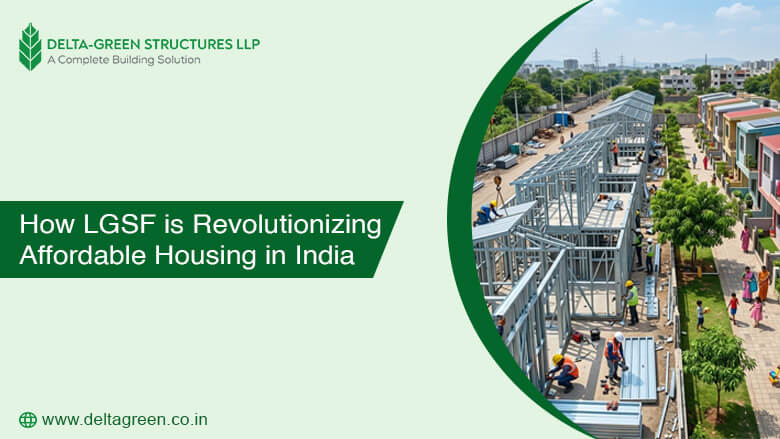
How LGSF is Revolutionizing Affordable Housing in India

How LGSF is Revolutionizing Affordable Housing in India India is facing a housing challenge unlike ever before. With a rapidly growing population and expanding cities, the demand for affordable homes is increasing every year. Millions of families still dream of owning a safe, durable, and comfortable house that fits their budget. Traditional construction methods often struggle to meet this demand. Projects take longer to complete, costs rise unpredictably, and environmental concerns continue to grow. This is exactly where LGSF affordable housing in India is emerging as a transformative solution. Powered by Light Gauge Steel Frame construction, this modern approach to building homes is changing the way affordable housing projects are designed and delivered across the country. Delta Green Structures, which operate one of the only LGSF manufacturing units in North-East India, are playing a vital role in introducing this innovative technology to the construction sector. Let’s explore how LGSF is transforming affordable housing in India and why experts believe it is the future of smart, sustainable housing. Understanding LGSF Technology for Housing Light Gauge Steel Frame construction is a modern building technique that uses cold-formed steel sections to create the structural framework of buildings. These steel components are manufactured with precision using automated machines and then assembled on-site. Unlike traditional brick-and-cement construction, LGSF construction in India follows a prefabricated approach. Structural elements are produced in factories, ensuring accuracy, quality, and faster installation. This method falls under modern construction methods in India, where speed, efficiency, and sustainability are the primary goals. Today, LGSF technology for housing is being used worldwide for residential buildings, low-rise apartments, villas, schools, hospitals, and commercial spaces. The Growing Need for Affordable Housing Solutions in India India requires millions of new homes every year to support urban migration and population growth. Government initiatives such as affordable housing schemes have helped increase supply, but traditional building systems often slow down project delivery. Developers face challenges like: High labour costs Construction delays Material wastage Environmental impact Rising cement and steel prices Because of these issues, affordable housing solutions in India must adopt technologies that reduce cost, shorten timelines, and improve structural performance. This is where LGSF affordable housing in India offers a practical and scalable solution. Fast Construction Technology in India: Speed That Matters One of the biggest advantages of LGSF construction in India is speed. Traditional buildings may take 12–18 months to complete, but prefabricated steel structures for housing can significantly reduce construction timelines. Since the components are manufactured in advance, the on-site assembly process becomes much faster. This makes fast construction technology in India ideal for: Mass housing developments Low-cost housing projects in India Post-disaster housing Urban residential communities With faster completion times, developers can deliver homes sooner and reduce overall project costs. At Delta Green Structures, automated Pinnacle machines are used to manufacture high-precision LGSF components, ensuring faster and more efficient construction outcomes. LGSF vs. RCC Construction Cost in India When discussing LGSF vs. RCC construction cost in India, many developers are surprised by the long-term advantages of steel frame systems. While RCC (Reinforced Cement Concrete) construction has been widely used for decades, it involves heavy materials, longer curing times, and higher labour dependency. On the other hand, cost-effective housing construction with LGSF offers several financial advantages: Reduced labour requirements Faster project completion Minimal material wastage Lower transportation costs Long-term durability and reduced maintenance For low-cost housing projects in India, these benefits make LGSF affordable housing in India an extremely attractive option. Sustainable Housing Construction in India Modern cities require building technologies that protect the environment while meeting housing needs. This is why sustainable housing construction in India is gaining attention. LGSF systems support green building technology in India in multiple ways: Steel is 100% recyclable Minimal construction waste Lower water consumption during construction Energy-efficient building designs Compared to conventional building methods, prefabricated steel structures for housing significantly reduce the carbon footprint of construction projects. As sustainability becomes a global priority, green building technology in India will continue to rely on advanced systems like LGSF. Earthquake-Resistant Housing Solutions India has several seismic zones where earthquakes are a real concern. Safety and structural stability become extremely important in such regions. One major advantage of Light Gauge Steel Frame construction is its flexibility and strength. Steel structures can absorb seismic forces better than many traditional materials. This makes earthquake-resistant housing solutions possible even in challenging terrains such as mountainous regions and high-risk zones. For regions in North-East India and the Himalayan belt, this benefit makes LGSF construction advantages for residential projects even more valuable. Companies like Delta Green Structures have the expertise to build in challenging climatic conditions and geographical terrains, making LGSF ideal for these locations. Benefits of LGSF Construction for Low-Cost Housing When evaluating benefits of LGSF construction for low-cost housing, several factors stand out. Faster Project Delivery: Projects can be completed significantly faster than traditional construction. High Structural Strength: Steel frames provide exceptional durability and stability. Reduced Construction Waste: Factory manufacturing ensures better material usage. Design Flexibility: Architects can create modern layouts and innovative housing designs. Lower Long-Term Maintenance: Steel structures resist termites, rot, and moisture damage. Because of these advantages, LGSF affordable housing in India is becoming a preferred choice for developers, architects, and government housing initiatives. The Role of Delta Green Structures in Modern Housing As the demand for innovative housing solutions grows, technology-driven companies are leading the transformation. Delta Green Structures is among the pioneers bringing advanced LGSF technology for housing to the region. With cutting-edge manufacturing capabilities and fully automated machines, the company delivers high-precision steel frame systems designed for durability and efficiency. Being the only LGSF manufacturing unit in North-East India, Delta Green Structures provides end-to-end turnkey construction services, supporting both private and government projects. By combining engineering expertise with modern building technology, the company is helping accelerate the adoption of modern construction methods in India. The Future of Affordable Housing in India The housing demand in India will continue to grow in the coming decades. To meet this demand

How LGSF is Revolutionizing Affordable Housing in India Read More »

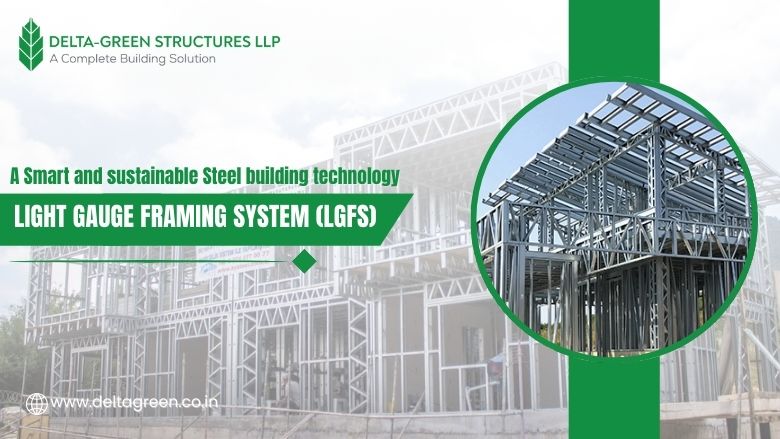
Light Gauge Framing System (LGFS): The Smart, Sustainable Future of Building in India

The Future of Construction Has Arrived—And It’s Changing Everything India faces a critical crisis: a 3 crore housing shortage, aggressive government targets to build 2 crore homes by 2025, and a construction method that simply can’t keep up. Traditional brick-and-concrete construction takes 18-24 months per project. Meanwhile, prefabricated steel structures using Light Gauge Framing System (LGFS) technology complete in just 6-9 months—60% faster. This isn’t a compromise. It’s an upgrade. And it’s reshaping how India builds.Whether you’re a developer racing to meet timelines, a homebuyer tired of waiting, an architect seeking design freedom, or a government official trying to meet housing targets responsibly, LGFS offers something traditional construction cannot: speed without sacrificing quality, affordability without compromising sustainability. The Problem: Why Traditional Construction Can’t Solve India’s Housing Crisis India’s construction industry faces a perfect storm of challenges: For Developers: Time delays mean lost revenue. A project delayed 6 months is a project that doesn’t generate returns. Traditional construction’s 18-24 month timeline leaves no room for contingencies, monsoons, or labor shortages. For Homebuyers: The dream of homeownership comes with a nightmare of waiting. And waiting isn’t the only problem. After decades in traditional buildings, owners deal with settling cracks, foundation issues, and maintenance costs that seem endless. For Government: The National Housing Mission targets 2 crore homes by 2025. The Pradhan Mantri Awas Yojana (PMAY) requires affordable housing at scale. Traditional construction methods simply cannot deliver this volume in this timeline. For the Environment: Brick-and-concrete construction generates massive waste, consumes enormous resources, and carries a carbon footprint 30-40% higher than steel alternatives. India’s push toward sustainable development demands smarter solutions. Enter LGFS—a technology that solves all these problems simultaneously. What Is Light Gauge Framing System (LGFS)? Light Gauge Framing Systems uses cold-formed steel sections (thin steel sheets 1-3mm thick, galvanized for corrosion protection) to create precision-engineered structural frames. Unlike traditional on-site brick laying, LGFS components are manufactured in controlled factory environments, then rapidly assembled on-site like building blocks. The key innovation: 75% of the structure is built in a factory where quality is guaranteed, weather is irrelevant, and precision is automated. Only final assembly happens on-site. This technology has been proven globally for decades in North America, Australia, Japan, and New Zealand. Now, India is experiencing rapid adoption—and for good reason. Why LGFS Is Superior to Traditional Construction 1. Construction Speed: 60% Faster Traditional: 18-24 months LGFS: 6-9 months Impact: Developers recover investments faster. Homebuyers occupy sooner. Government targets become achievable. Why? Factory manufacturing happens in parallel with site preparation. Monsoons don’t delay factory production. Assembly takes weeks, not months. 2. Cost Efficiency: 15-20% Lower Total Project Cost Yes, LGFS components may cost 5-10% more upfront than traditional materials. But: Less skilled labor required (reducing wages) 50-70% less construction waste (saving disposal costs) Faster completion (reducing management overhead) Zero settling cracks (eliminating long-term repair costs) When you calculate total cost, LGFS wins. 3. Superior Quality & Durability Zero settling cracks: Traditional brick structures settle over time, causing cracks. LGFS structures don’t settle. 50+ year lifespan: vs 30-40 years for brick structures Earthquake resistant: Steel’s flexibility absorbs seismic energy (proven in earthquake zones globally) Better insulation: Reduces heating/cooling costs by 20-30% (critical in India’s diverse climate zones) 4. Sustainability: 100% Recyclable Steel is infinitely recyclable 30-40% lower carbon footprint vs concrete 50-70% less construction waste Supports IGBC  and LEED  green building certifications Aligns with India’s sustainability mandates 5. Design Freedom LGFS enables complex architectural designs impossible with traditional methods—open floor plans, large windows, custom interiors, flexible spaces. Perfect for both affordable housing and premium projects. Why Now? Government Support + Market Tailwinds National Housing Mission (NHM): The government has approved LGFS as the preferred technology for mass housing. Target: 2 crore homes by 2025. PMAY (Pradhan MantriAwas Yojana): Specifically incentivizes sustainable, cost-effective housing solutions. LGFS checks both boxes. Market Growth: The India LGFS market was valued at USD 1.89 billion in 2022 and is growing at 6.3% annually. The global market reached USD 29.4 billion in 2025. Commercial construction (offices, IT parks, retail) is growing fastest at 6.8% CAGR. Labor Scarcity: India lacks skilled brick masons. LGFS requires less skilled on-site labor, making it pragmatically superior in today’s employment landscape. Real-World Applications: LGFS Works Everywhere Residential: 2-3 BHK apartments for affordable housing projects Institutional: Schools, hospitals, government offices Commercial: IT parks, retail complexes, hotels Rapid Response: Emergency shelters, disaster reconstruction LGFS is genuinely one-size-fits-all—from mass housing to premium commercial buildings. FAQs: Addressing Your Concerns Q: Is LGFS more expensive than traditional construction? A: Initially, yes (5-10% higher material cost). But total project cost is 15-20% lower when accounting for speed, labor efficiency, and zero long-term cracking issues. Q: Is LGFS earthquake-resistant? A: Absolutely. Steel’s flexibility absorbs seismic energy. LGFS has proven performance in earthquake zones globally. Q: How long do LGFS buildings last? A: 50+ years. The galvanized coating protects against corrosion in all climates—coastal, monsoon, desert. Q: Can LGFS handle monsoon climate? A: Yes. Factory manufacturing happens indoors regardless of weather. Monsoons don’t delay production, only assembly does—which is much shorter. Q: Is LGFS suitable for affordable housing? A: Perfect for it. Cost efficiency, speed, and scalability make it ideal for government housing schemes. Q: What are sustainability benefits? A: 100% recyclable, 30-40% lower carbon footprint, 50-70% less waste, superior energy efficiency. Q: Can I customize designs? A: Yes. LGFS allows complex architectural designs, open layouts, and flexible interiors—all while maintaining structural integrity. Q: Who should use LGFS? A: Developers (faster ROI), homebuyers (quality + sustainability), government projects (affordability + speed). Essentially, anyone building in modern India. Conclusion: The Smart Choice for Smart Construction The Light Gauge Framing System isn’t the future of construction in India—it’s the present reality, reshaping how we build homes, offices, and institutions. For developers, it means faster revenue and competitive advantage in a crowded market. For homebuyers, it means quality homes without endless waiting. For the government, it means achieving housing targets responsibly and sustainably. For the environment, it means construction practices aligned with our sustainability

Light Gauge Framing System (LGFS): The Smart, Sustainable Future of Building in India Read More »