Delta Green

Light Gauge Steel Framing

LGSF Manufacturer in Manipur: Modern Steel Construction for the Future

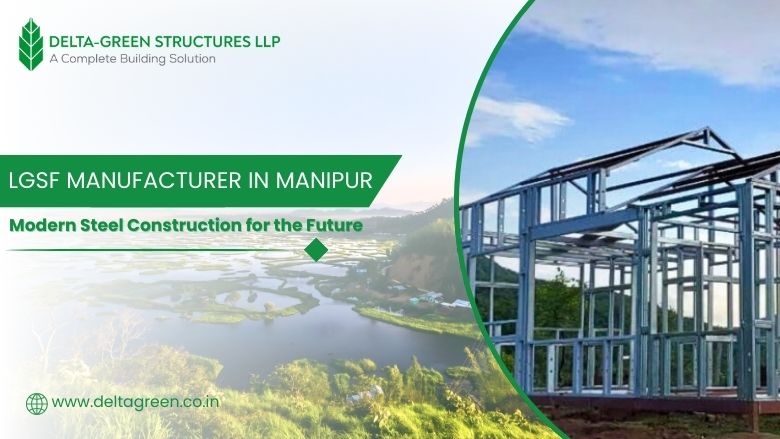
Manipur’s Construction Revolution: Why Smart Building Matters Now Manipur stands at a construction crossroads. The state is experiencing unprecedented urbanization—Imphal’s population growing, Ukhrul and Churachandpur expanding rapidly, commercial districts emerging. Yet traditional construction methods remain unchanged. Brick walls, concrete pillars, labor-intensive processes that take 18-24 months per project. But Manipur’s unique challenges demand smarter solutions:  Seismic Reality: Manipur sits in an earthquake-prone zone. Traditional brick structures crack, settle, and fail during seismic events. Modern steel frame construction offers what brick cannot: flexibility, ductility, and proven earthquake resistance. Monsoon Impact: 5-6 months of heavy rainfall annually. Traditional construction halts during monsoon season. Light Gauge Steel Frame (LGSF) manufacturing happens in climate-controlled factories—monsoon delays zero. Labor Constraints: Finding skilled brick masons has become nearly impossible. LGSF construction requires less specialized on-site labor, making it pragmatically superior in Manipur’s current employment landscape. Affordability Demand: Manipur’s State Affordable Housing Policy (2022) explicitly encourages LGSF technology. The Pradhan MantriAwas Yojana-Urban 2.0 offers Technology Innovation Grants of ₹3,000/sqm for LGSF projects. The question isn’t whether modern steel construction in Manipur is needed. Why haven’t we adopted it faster? What Is LGSF? The Technology Reshaping Manipur Light Gauge Steel Frame uses thin sheets of cold-formed galvanized steel (1-3mm thickness) to create precision-engineered structural frames. Unlike traditional masonry, LGSF components are manufactured in controlled factory environments, then rapidly assembled on-site. Key Components: Steel Studs: Vertical framework support members Steel Tracks: Horizontal channels guiding studs Joists: Floor and ceiling support Bracing: Diagonal stability members Sheathing: Wall and roof panels Fasteners: Secure connections Insulation: Energy efficiency and soundproofing Connections: Structural integrity details Why This Matters for Manipur: Factory manufacturing = quality regardless of monsoon. Galvanized steel = corrosion resistance in humid climates. Precision engineering = zero settling cracks. Lightweight = lower foundation costs. Why LGSF Construction is Booming in Manipur: Five Compelling Reasons 1. Speed: 60% Faster Than Traditional (9 Months vs 18-24) Factory pre-fabrication happens in parallel with site preparation. Monsoon doesn’t delay factory production. Fast-track construction with LGSF technology means: Developers recover investments faster Homebuyers occupy sooner Government housing targets become achievable 2. Earthquake Safety (Critical for Manipur’s Seismic Zone) Earthquake-resistant steel structures are proven. Steel’s ductility absorbs seismic energy instead of resisting rigidly. During earthquakes, LGSF buildings move safely with the ground. Brick buildings fight the ground—they fail. This is essential for Manipur. 3. Monsoon Resilience (5-6 Months Annual Rainfall) LGSF manufacturing is completely weather-independent. Projects don’t lose 5-6 months. Quality isn’t compromised by rain exposure. Timelines become predictable—critical for government and commercial projects. 4. Humidity & Pest Resistance Manipur’s humid climate creates moisture problems in traditional structures. LGSF solves this fundamentally.     resists corrosion. Steel doesn’t attract termites. No moisture problems. No settling. Long-term durability brick cannot match.    5. Government Incentives & Affordability Manipur’s Affordable Housing Policy explicitly encourages LGSF. PMAY-U 2.0 offers ₹3,000/sqm Technology Innovation Grants for LGSF projects. Cost-effective steel construction isn’t marketing—it’s government-backed reality. Key Advantages: Why LGSF Outperforms Traditional Construction Advantage Traditional LGSF Manipur Impact Construction Time 18-24 months 6-9 months Faster ROI, faster occupancy Labor Requirement Highly skilled Semi-skilled Solves Manipur’s labor shortage Monsoon Impact 5-6 month delays Zero delays Predictable timelines Earthquake Safety Fails in seismic Proven resistant Critical for Manipur zone Durability 30-40 years 50+ years Lower long-term costs Maintenance Settling cracks, repairs Zero settling cracks No future maintenance Waste Generation 40-50% waste 5-15% waste Environmental + cost savings Total Cost Baseline 15-20% lower Significant savings Real-World Applications in Manipur Residential: 2-3 BHK apartments for affordable housing (PMAY grant eligible) Institutional: Schools, colleges, government offices, hospitals Commercial: Retail complexes, IT parks, hospitality projects Industrial LGSF Structures: Warehouses, manufacturing, storage Rapid Response: Emergency shelters, disaster reconstruction (earthquake recovery) Why Choose Delta Green for LGSF in Manipur? Delta Green Structures is the Only Full-Service LGSF Manufacturer in North-East India. Unique Advantages: Local Presence, Deep Expertise Operating in Manipur, we understand the local climate, seismic vulnerability, monsoon challenges, building codes, and employment landscape. Complete Integration (Design + Manufacturing + Construction) Most competitors do one or two services. We provide integrated solutions. No vendor fragmentation. Single accountability. Quality control from concept to delivery. Government Project Experience Proven track record with state housing boards, government compliance, and large-scale project execution. Advanced Technology Top-tier LGSF materials, fully automated Pinnacle machines, precision-engineered designs, factory quality control that traditional on-site construction cannot match. Proven Results Quality structures exceeding industry standards. Shorter turnaround times. Real engineering excellence. Customizable Solutions Every project is different. Bespoke packages, flexible consulting, support adapted to specific needs. Sustainable Construction Aligns with green building certifications. Supports government sustainability mandates. Economical and environmental. FAQs: Common Questions About LGSF in Manipur Q: Is LGSF more expensive than traditional? A: Initially 5-10% more. Total cost? 15-20% lower when accounting for speed, labor efficiency, minimal waste, and zero settling issues. PMAY grants further offset costs. Q: Is LGSF safe in Manipur's earthquakes? A: Absolutely. Steel’s flexibility absorbs seismic energy. Proven globally in earthquake zones. Ideal for Manipur. Q: How does LGSF handle the monsoon climate? A: Factory manufacturing is monsoon-proof. Production unaffected. On-site assembly is weatherproofed. Quality is never compromised by rain. Q: How long do LGSF buildings last? A: 50+ years minimum. Galvanized coating provides superior corrosion protection in humid climates. Q: Is LGSF suitable for affordable housing projects? A: Perfect. Cost-efficient, fast-track, scalable. PMAY-U 2.0 offers substantial grants specifically for LGSF. Q: Can I customize designs with LGSF? A: Yes completely. Complex architectural plans, open floor layouts, custom interiors—all possible while maintaining structural integrity and earthquake safety. Q: Does LGSF work for industrial structures? A: Yes. Warehouses, manufacturing facilities, solar mounting structures—versatile across all applications. Q: Who should use LGSF in Manipur? A: Developers (faster ROI), homebuyers (quality + earthquake safety), government (affordability targets), commercial builders (design flexibility). Essentially, anyone building modernly in Manipur. Conclusion: The Smart Choice for Manipur’s Future Manipur’s construction evolution isn’t optional—it’s urgent. Rapid urbanization demands modern solutions. Seismic vulnerability demands earthquake-safe structures. Monsoon challenges demand weather-proof construction. Affordability demands cost-effective technology. LGSF—particularly through Delta Green Structures as Manipur’s only full-service LGSF manufacturer—provides the integrated answer. We offer:

LGSF Manufacturer in Manipur: Modern Steel Construction for the Future Read More »
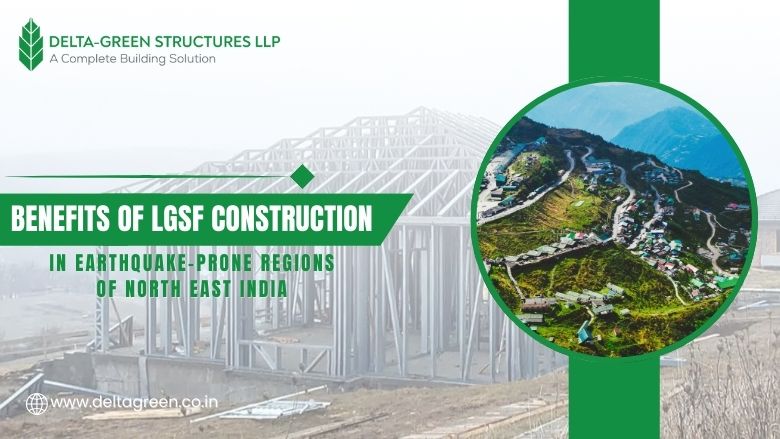
Benefits of LGSF Construction in Earthquake-Prone Regions of North East India

The Earthquake Reality in North East India North East India faces a critical reality: it’s one of the most earthquake-prone regions in the country. Seismic Zones IV and V cover Assam, Manipur, Meghalaya, Arunachal Pradesh, Sikkim, and other North-East states. Zone V is the highest risk category. Zone IV still carries a significant seismic threat. Recently the entire Northeastern region of India along with the broader Himalayan belt has been shifted to the newly created Zone VI by the Bureau of Indian Standards, under the 2025 Earthquake Design Code (IS 1893:2025). For decades, most buildings in these regions have been built using traditional RCC (Reinforced Concrete) and brick masonry. These structures are rigid and brittle. When earthquakes strike, they crack, collapse, and fail catastrophically. The result? Loss of life. Damaged property. Communities rebuilding from rubble. But modern construction technology offers a different approach: Light Gauge Steel Framing (LGSF). Unlike rigid concrete, LGSF is flexible, lightweight, and designed specifically to absorb seismic forces without breaking. Buildings built with LGSF don’t collapse in earthquakes. They flex, absorb energy, and protect occupants. This is why LGSF is becoming the preferred technology for earthquake-resistant construction across North East India.   Why North East India Needs Earthquake-Resistant Construction The statistics are sobering. North East India experiences frequent earthquakes: 1987 Manipur earthquake: 4.3 magnitude2004 Assam earthquake: 4.5 magnitude2009 Assam earthquake: 5.1 magnitude2011 Sikkim earthquake: 6.9 magnitude (devastating) These aren’t isolated events. They’re regular. Recurring. Predictable. Yet most homes, schools, hospitals, and offices in the North East are built with traditional methods that fail during earthquakes. The question isn’t whether an earthquake will hit North East India. It’s when. And when it does, will the building protect people or harm them? LGSF construction answers that question with proof. How LGSF Outperforms Traditional RCC in Earthquakes Reason 1: Lightweight Means Lower Seismic Forces The Physics: During an earthquake, force equals mass times acceleration (F = MA). Heavier buildings experience greater seismic forces. LGSF buildings are 40-60% lighter than equivalent RCC structures. This dramatically reduces the force an earthquake exerts on the building. Real Impact: A building weighing half as much experiences roughly half the seismic force. On a ₹20 crore multi-story project, this difference becomes the difference between safety and collapse. Reason 2: Steel is Flexible, Concrete is Brittle The Critical Difference: RCC is strong but brittle. It resists force rigidly. When force exceeds its strength, it cracks and fails suddenly. Steel, by contrast, is ductile. It bends without breaking. During an earthquake, LGSF buildings sway and flex, absorbing seismic energy instead of fighting it. Research Proof: Studies comparing RCC and steel frame structures in earthquake zones show steel structures exhibit: Lower lateral displacements (less sway) Reduced base shear (less force on foundation) Enhanced ductility (can bend significantly without breaking) Greater energy dissipation (absorbs earthquake force safely) Reason 3: Superior Strength-to-Weight Ratio Steel has the highest strength-to-weight ratio of any building material. This means: Maximum structural capacity with minimum weight. In earthquake zones, this is the holy grail of structural design. Real Outcome: LGSF buildings can support the same loads as heavier RCC structures while remaining lighter, more flexible, and more seismically resistant. Reason 4: Engineered Connections & Bracing Systems LGSF structures include: Diagonal bracing systems that distribute seismic forces evenly Shear walls that increase lateral stiffness Reinforced connections designed to withstand lateral movement Advanced fastening techniques that keep components securely together during earthquakes Every connection is engineered for seismic performance, not just architectural aesthetics. Reason 5: Uniform Load Distribution RCC concentrates loads at specific points (columns, walls). If these fail, the entire building fails. LGSF distributes loads evenly throughout the steel frame structure. If one component fails, the structure redistributes loads and maintains integrity. Safety Implication: LGSF structures don’t have single points of failure during earthquakes. LGSF vs RCC: The Practical Comparison Factor RCC LGSF Building Weight 40-50% heavier 40-60% lighter Flexibility Rigid (brittle) Flexible (ductile) Seismic Force Resistance Fights rigidly Absorbs energy Lateral Displacement Higher (more sway) Lower (controlled sway) Base Shear on Foundation Higher Lower Ductility (bending capacity) Low High Post-earthquake Repair Extensive (cracks/damage) Minimal (design absorbs energy) Construction Time 18-24 months 6-9 months Cost in Seismic Zones Higher (extra reinforcement) Comparable or lower Real-World Evidence: LGSF in Earthquake Zones Japan: Uses LGSF extensively. Frequent earthquakes demonstrate LGSF’s superior safety and quick recovery. New Zealand: After the devastating Christchurch earthquake (2011), LGSF construction was chosen for reconstruction because of its proven resilience. Turkey & Iran: Following major earthquakes, LGSF has been increasingly adopted for post-disaster reconstruction. North East India: Delta Green Structures builds LGSF structures designed specifically for High seismic conditions. Five Key Benefits of LGSF in North East India 1. Lives Are Protected LGSF buildings don’t collapse. They flex, absorb energy, and remain standing. People survive. 2. Property Damage is Minimized Unlike RCC buildings that develop extensive cracks and damage, LGSF buildings experience minimal post-earthquake damage because they absorb rather than fight seismic forces. 3. Faster Recovery LGSF buildings require minimal repairs after earthquakes. Communities recover faster. Economic impact is lower. 4. Government Compliance   LGSF construction complies with IS 1893:2016 (Indian seismic design standards) and exceeds minimum requirements in seismic zones. 5. Long-Term Durability Galvanized steel used in LGSF resists corrosion in North East India’s humid climate. Buildings stay strong for 50+ years with minimal maintenance. FAQ: LGSF Construction in Earthquake-Prone North East Q: Is LGSF really safer than RCC in earthquakes? A: Yes. Research shows steel structures outperform RCC structures in seismic zones through lower weight, higher ductility, and better energy dissipation. Q: Can LGSF handle Zone VI earthquakes (the highest seismic zone)? A: Yes. LGSF structures are engineered for specific seismic zones and can be designed for Zone VI compliance when properly engineered. Q: Is LGSF construction legal in North East India? A: Absolutely. LGSF complies with IS 1893:2016, IS 4326:2013, and all Indian Building Codes. It’s approved for seismic zones. Q: Does LGSF cost more than RCC in seismic zones? A: No. While LGSF components may cost slightly more, total project

Benefits of LGSF Construction in Earthquake-Prone Regions of North East India Read More »

How LGSF Manufacturers Minimize Human Error in Construction Projects

The Hidden Crisis: Why Construction’s Biggest Cost Isn’t Materials or Labor—It’s Human Error Every year, the global construction industry loses $1.8 trillion to human error. That’s not a rounding error or an industry estimate. That’s verified data from Autodesk and FMI Consulting, analyzing actual construction project failures worldwide. But here’s what makes this number even more staggering: 50% of construction rework is preventable. According to the Construction Industry Institute, up to 30% of total project cost goes to rework. Miscalculations. Design conflicts. Installation errors. Coordination breakdowns. Documentation losses. Communication failures. Each one rooted in human error. For a typical ₹10 crore construction project, this means ₹3 crore lost to rework. Half of that could have been prevented. This is the crisis that Light Gauge Steel Framing (LGSF) manufacturers solve systematically through three integrated technologies: Building Information Modeling (BIM), Automated Manufacturing, and Modular Construction. Delta Green Structures, leveraging these technologies, is redefining what “error-free construction” actually means. The Human Error Problem: Where Does It Really Come From? Human error in construction isn’t malice or carelessness. It’s systemic. Research shows: 24% of construction data is simply inaccurate (a five entered where a six should be) 24% of data is missing (blank fields in spreadsheets, lost documentation) 21% of data is wrong (recording one aspect but documenting another) Design errors account for 40% of all construction problems, costing $865 billion annually The underlying cause? Traditional construction is on-site dependent. A single brick layer’s skill level impacts quality. A single supervisor’s attention affects coordination. A single miscommunication halts progress. Every individual on-site is a point of failure. The result: Traditional construction achieves only 85-95% quality accuracy in manufacturing and inspection. The remaining 5-15% contains defects, rework, and waste. Technology Solution #1: Building Information Modeling (BIM) BIM eliminates design errors before they reach the construction site. BIM is not just 3D modeling. It’s a unified digital environment where architects, engineers, and contractors work from a single source of truth. How BIM Reduces Human Error: Clash Detection (Catching Problems Early)Traditional approach: Designs are created separately (architectural, structural, mechanical). Contractors discover conflicts on-site during construction. Cost: Rework, delays, safety issues. BIM approach: All systems integrate into one digital model. Conflicts appear immediately. Teams resolve clashes in virtual space before manufacturing begins. Impact: Fewer design errors, fewer surprises, fewer mistakes on-site. Improved Collaboration & CommunicationCloud-based BIM platforms ensure that every team member—architect, engineer, contractor, client—sees the same information in real-time. Not outdated prints. Not conflicting versions. One current model. Impact: Miscommunication drops dramatically. Information loss becomes impossible. Virtual Simulation (4D & 5D BIM) 4D BIM: Simulates construction sequence over time, identifying logistical conflicts before execution 5D BIM: Adds cost data, preventing budget surprises and hidden expenses Teams can “walk through” the project before construction starts, spotting problems humans would miss on paper. Impact: On-site errors drop because teams have anticipated and solved problems virtually. Technology Solution #2: Automated Manufacturing in LGSF Automation eliminates human variability in production. In traditional construction, quality depends on individual worker skill. Fatigue. Attention level. Experience. Training consistency. Each day, quality varies. In automated LGSF manufacturing, precision is guaranteed. The Accuracy Revolution: Research from the University of Virginia found that automated inspection systems achieve 99.9% accuracy—far exceeding human capability (85-95%). For LGSF manufacturers like Delta Green using fully automated Pinnacle machines: Precision Cutting & Forming Steel components cut to exact specifications: ±1-2mm tolerance Result: Every component matches design perfectly Real-Time Quality Inspection Every component automatically inspected at 99.9% accuracy Defects caught instantly, not weeks later Zero substandard components reach assembly Result: No rework, no surprise defects Digital Traceability Every component tracked with digital records Full manufacturing history accessible No lost documentation Result: Complete accountability, complete transparency Technology Solution #3: Modular Construction (Reducing On-Site Error Exposure) Factory-built components eliminate on-site human error by design. In traditional construction, 100% of the work happens on-site, exposing every step to weather, coordination challenges, and human error. In LGSF modular construction, 70-80% of the building is completed in the factory. Only final assembly happens on-site. Why This Matters: Factory Environment (Controlled, Supervised, Optimized): Climate-controlled conditions (no weather-related quality issues) Standardized processes (consistency guaranteed) Expert supervision (every step monitored) Quality control stations (errors caught immediately) On-Site Work (Simple Assembly Only): Fewer skilled labor requirements (less room for expertise variability) Simplified tasks (bolts and screws vs. complex masonry) Reduced coordination complexity (fewer teams, fewer interfaces) Shorter execution time (less exposure to error) Result: A building where human error is systematically minimized from design through assembly. The Delta Green Integration: BIM + Automation + Modular = Precision Delta Green combines all three technologies into an integrated system: BIM Design Phase: Every component designed in a unified digital environment. Clash detection eliminates conflicts. 4D/5D simulation identifies risks before manufacturing. Automated Manufacturing Phase: Pinnacle machines produce components at 99.9% accuracy. Every component inspected. Digital records track complete manufacturing history. Modular Assembly Phase: 75% factory-built components shipped ready. Simple on-site assembly with minimal error potential. Quality assured by factory precision. The Result by Numbers: Metric Traditional Construction LGSF with BIM + Automation Design Error Rate 40% of projects <5% (BIM catch) Manufacturing Tolerance ±10-15mm ±1-2mm Rework Cost 30% of project 3-5% of project Quality Accuracy 85-95% 99.9% Defect Detection Post-construction Pre-delivery Documentation Loss Common Zero FAQs: Understanding LGSF Error Minimization Q: How does BIM catch errors traditional construction misses? A: BIM integrates all building systems in one digital model. Conflicts appear instantly—MEP clashing with structure, architectural conflicting with mechanical. Teams resolve these virtually. Traditional construction discovers these conflicts on-site during expensive rework. Q: What is "99.9% accuracy" in LGSF manufacturing? A: Automated systems measure and produce components to ±1-2mm tolerance, detected by sensors at 99.9% accuracy. Traditional on-site construction achieves ±10-15mm tolerance with 85-95% detection—meaning 5-15% of errors go undetected until later. Q: Why does factory manufacturing reduce human error more than on-site? A: Factory production is standardized, supervised, and controlled. Weather doesn’t affect quality. Fatigue doesn’t reduce precision. Skill variability is eliminated through automation. On-site construction exposes every step to human variables. Q:

How LGSF Manufacturers Minimize Human Error in Construction Projects Read More »

Light Gauge Framing System (LGFS): The Smart, Sustainable Future of Building in India

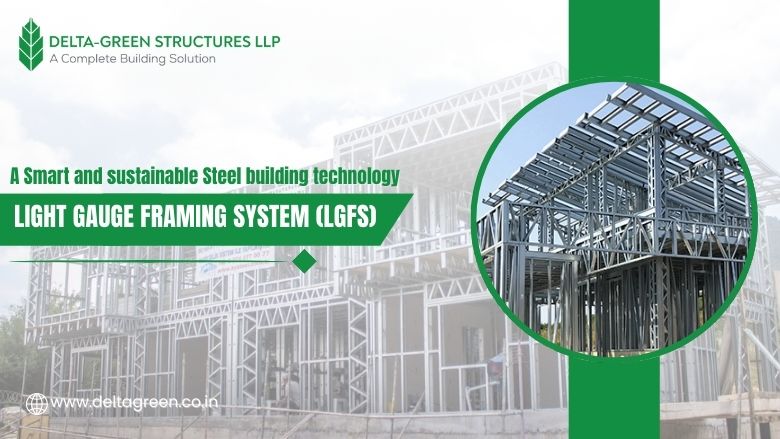
The Future of Construction Has Arrived—And It’s Changing Everything India faces a critical crisis: a 3 crore housing shortage, aggressive government targets to build 2 crore homes by 2025, and a construction method that simply can’t keep up. Traditional brick-and-concrete construction takes 18-24 months per project. Meanwhile, prefabricated steel structures using Light Gauge Framing System (LGFS) technology complete in just 6-9 months—60% faster. This isn’t a compromise. It’s an upgrade. And it’s reshaping how India builds.Whether you’re a developer racing to meet timelines, a homebuyer tired of waiting, an architect seeking design freedom, or a government official trying to meet housing targets responsibly, LGFS offers something traditional construction cannot: speed without sacrificing quality, affordability without compromising sustainability. The Problem: Why Traditional Construction Can’t Solve India’s Housing Crisis India’s construction industry faces a perfect storm of challenges: For Developers: Time delays mean lost revenue. A project delayed 6 months is a project that doesn’t generate returns. Traditional construction’s 18-24 month timeline leaves no room for contingencies, monsoons, or labor shortages. For Homebuyers: The dream of homeownership comes with a nightmare of waiting. And waiting isn’t the only problem. After decades in traditional buildings, owners deal with settling cracks, foundation issues, and maintenance costs that seem endless. For Government: The National Housing Mission targets 2 crore homes by 2025. The Pradhan Mantri Awas Yojana (PMAY) requires affordable housing at scale. Traditional construction methods simply cannot deliver this volume in this timeline. For the Environment: Brick-and-concrete construction generates massive waste, consumes enormous resources, and carries a carbon footprint 30-40% higher than steel alternatives. India’s push toward sustainable development demands smarter solutions. Enter LGFS—a technology that solves all these problems simultaneously. What Is Light Gauge Framing System (LGFS)? Light Gauge Framing Systems uses cold-formed steel sections (thin steel sheets 1-3mm thick, galvanized for corrosion protection) to create precision-engineered structural frames. Unlike traditional on-site brick laying, LGFS components are manufactured in controlled factory environments, then rapidly assembled on-site like building blocks. The key innovation: 75% of the structure is built in a factory where quality is guaranteed, weather is irrelevant, and precision is automated. Only final assembly happens on-site. This technology has been proven globally for decades in North America, Australia, Japan, and New Zealand. Now, India is experiencing rapid adoption—and for good reason. Why LGFS Is Superior to Traditional Construction 1. Construction Speed: 60% Faster Traditional: 18-24 months LGFS: 6-9 months Impact: Developers recover investments faster. Homebuyers occupy sooner. Government targets become achievable. Why? Factory manufacturing happens in parallel with site preparation. Monsoons don’t delay factory production. Assembly takes weeks, not months. 2. Cost Efficiency: 15-20% Lower Total Project Cost Yes, LGFS components may cost 5-10% more upfront than traditional materials. But: Less skilled labor required (reducing wages) 50-70% less construction waste (saving disposal costs) Faster completion (reducing management overhead) Zero settling cracks (eliminating long-term repair costs) When you calculate total cost, LGFS wins. 3. Superior Quality & Durability Zero settling cracks: Traditional brick structures settle over time, causing cracks. LGFS structures don’t settle. 50+ year lifespan: vs 30-40 years for brick structures Earthquake resistant: Steel’s flexibility absorbs seismic energy (proven in earthquake zones globally) Better insulation: Reduces heating/cooling costs by 20-30% (critical in India’s diverse climate zones) 4. Sustainability: 100% Recyclable Steel is infinitely recyclable 30-40% lower carbon footprint vs concrete 50-70% less construction waste Supports IGBC  and LEED  green building certifications Aligns with India’s sustainability mandates 5. Design Freedom LGFS enables complex architectural designs impossible with traditional methods—open floor plans, large windows, custom interiors, flexible spaces. Perfect for both affordable housing and premium projects. Why Now? Government Support + Market Tailwinds National Housing Mission (NHM): The government has approved LGFS as the preferred technology for mass housing. Target: 2 crore homes by 2025. PMAY (Pradhan MantriAwas Yojana): Specifically incentivizes sustainable, cost-effective housing solutions. LGFS checks both boxes. Market Growth: The India LGFS market was valued at USD 1.89 billion in 2022 and is growing at 6.3% annually. The global market reached USD 29.4 billion in 2025. Commercial construction (offices, IT parks, retail) is growing fastest at 6.8% CAGR. Labor Scarcity: India lacks skilled brick masons. LGFS requires less skilled on-site labor, making it pragmatically superior in today’s employment landscape. Real-World Applications: LGFS Works Everywhere Residential: 2-3 BHK apartments for affordable housing projects Institutional: Schools, hospitals, government offices Commercial: IT parks, retail complexes, hotels Rapid Response: Emergency shelters, disaster reconstruction LGFS is genuinely one-size-fits-all—from mass housing to premium commercial buildings. FAQs: Addressing Your Concerns Q: Is LGFS more expensive than traditional construction? A: Initially, yes (5-10% higher material cost). But total project cost is 15-20% lower when accounting for speed, labor efficiency, and zero long-term cracking issues. Q: Is LGFS earthquake-resistant? A: Absolutely. Steel’s flexibility absorbs seismic energy. LGFS has proven performance in earthquake zones globally. Q: How long do LGFS buildings last? A: 50+ years. The galvanized coating protects against corrosion in all climates—coastal, monsoon, desert. Q: Can LGFS handle monsoon climate? A: Yes. Factory manufacturing happens indoors regardless of weather. Monsoons don’t delay production, only assembly does—which is much shorter. Q: Is LGFS suitable for affordable housing? A: Perfect for it. Cost efficiency, speed, and scalability make it ideal for government housing schemes. Q: What are sustainability benefits? A: 100% recyclable, 30-40% lower carbon footprint, 50-70% less waste, superior energy efficiency. Q: Can I customize designs? A: Yes. LGFS allows complex architectural designs, open layouts, and flexible interiors—all while maintaining structural integrity. Q: Who should use LGFS? A: Developers (faster ROI), homebuyers (quality + sustainability), government projects (affordability + speed). Essentially, anyone building in modern India. Conclusion: The Smart Choice for Smart Construction The Light Gauge Framing System isn’t the future of construction in India—it’s the present reality, reshaping how we build homes, offices, and institutions. For developers, it means faster revenue and competitive advantage in a crowded market. For homebuyers, it means quality homes without endless waiting. For the government, it means achieving housing targets responsibly and sustainably. For the environment, it means construction practices aligned with our sustainability

Light Gauge Framing System (LGFS): The Smart, Sustainable Future of Building in India Read More »

Leading LGSF Manufacturer in Meghalaya: Fast, Durable, and Eco-Friendly Solutions

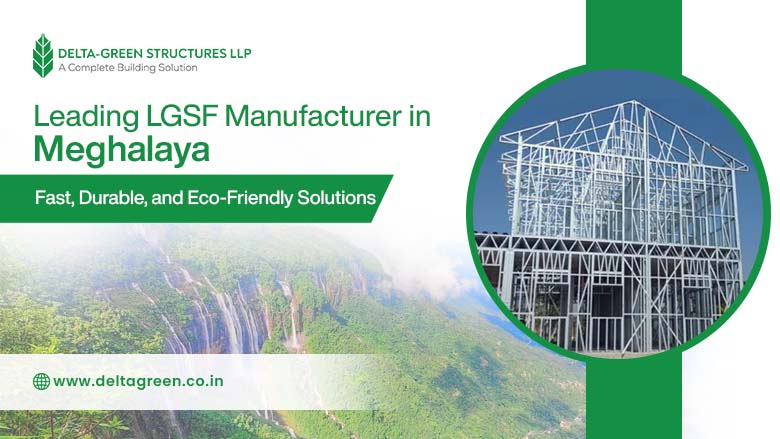
The construction landscape in Meghalaya is evolving rapidly with growing demand for faster project delivery, sustainable materials, and structures capable of performing well across challenging terrains and climatic conditions. In this transformation, Light Gauge Steel Framing (LGSF) has emerged as one of the most efficient and future-ready construction technologies. As a trusted LGSF manufacturer in Meghalaya, Delta Green Structures delivers precision-engineered LGSF solutions designed for speed, durability, sustainability, and long-term structural reliability. With advanced automated Pinnacle machines, premium-grade materials, and turnkey project expertise, the company supports residential, institutional, commercial, and government infrastructure projects across the North-East. This blog explores how LGSF technology is reshaping modern construction and why Delta Green Structures is recognized as a leading LGSF manufacturer in Meghalaya offering fast, durable, and eco-friendly building solutions Understanding LGSF — A Smarter Alternative to Conventional Construction Light Gauge Steel Framing is an engineered system where structures are built using cold-formed galvanized steel sections, produced with high precision through automated roll-forming technology. Unlike traditional brick-and-mortar construction, LGSF offers: Factory-fabricated structural components Minimal on-site wet work Faster installation and assembly Higher dimensional accuracy Reduced structural load and material wastage This makes LGSF especially suitable for Meghalaya, where terrain variations, heavy rainfall, and logistical challenges often delay conventional construction. Delta Green Structures, as a leading LGSF manufacturer in Meghalaya, ensures every frame is designed with structural precision, advanced engineering inputs, and strict quality assurance standards to deliver strong, stable, and long-lasting buildings. Fast-Track Construction for High-Priority Projects Time efficiency is one of the most compelling advantages of LGSF construction. With fully automated Pinnacle machines and digital design-to-production workflows, Delta Green Structures ensures: Faster fabrication cycles Significant reduction in manual intervention Quick on-site assembly and installation Predictable and shorter project timelines For projects such as: Institutional buildings Worker accommodations Prefabricated housing Tourism facilities Healthcare or administrative units LGSF enables completion in a fraction of the time required by conventional construction. This capability has positioned Delta Green Structures as a preferred LGSF manufacturer in Meghalaya for both public and private sector clients seeking rapid, reliable, and well-engineered project delivery. Durable Structures Built for Meghalaya’s Climate & Terrain Meghalaya experiences: High humidity levels Intense rainfall Hilly and sloped construction sites Seismic activity zones These environmental variables demand structures that are lightweight yet strong, corrosion-resistant, and structurally stable. LGSF systems manufactured by Delta Green Structures offer: Galvanized, corrosion-protected steel frames High load-bearing stability Resistance to termites, rot, and fungal decay Superior performance in humid and coastal zones Fire-resistant and dimensionally stable structures Unlike timber or traditional RCC, LGSF minimizes risks of: Structural cracks Moisture damage Long-term degradation This makes it an ideal construction technology for: Hill resorts and eco-lodges Institutional and educational facilities Modular office and site structures Residential developments in remote locations As a technology-driven LGSF manufacturer in Meghalaya, Delta Green Structures integrates structural engineering best practices to ensure durability and performance over the complete lifecycle of the building. Eco-Friendly & Sustainable Construction for a Greener Future Sustainability is no longer optional, it is central to future infrastructure development. LGSF plays a significant role in supporting eco-conscious construction through: Reduction in concrete and brick usage Lower embodied carbon output Minimal site disturbance and excavation Recyclable and reusable steel components Reduced construction waste generation Factory-controlled production also ensures: Optimized material consumption Lower energy consumption during fabrication Cleaner and safer site environments This aligns strongly with environmental priorities across the North-East. By combining technology, resource efficiency, and precision engineering, Delta Green Structures strengthens its position as a sustainability-driven LGSF manufacturer in Meghalaya delivering eco-friendly and future-ready construction alternatives. Turnkey LGSF Manufacturing and Project Execution Expertise One of the major strengths of Delta Green Structures is its end-to-end turnkey project capability ensuring seamless execution from conceptualization to completion. Comprehensive LGSF Solutions Include: Structural design & detailing Engineering validation & load analysis Customizable LGSF design packages Precision manufacturing with automated Pinnacle machines On-site installation & assembly support Quality inspection & structural performance checks Ongoing consultancy through project duration This integrated workflow helps clients achieve: Faster approvals Minimal technical gaps On-time project completion Consistent and benchmark-quality results Whether for institutional buildings, industrial facilities, modular housing, or government projects, this holistic execution approach reinforces the company’s credibility as a trusted LGSF manufacturer in Meghalaya. Applications of LGSF Across Key Sectors in Meghalaya LGSF technology is widely suited for diverse project categories, including: Residential & villa developments Educational and institutional blocks Healthcare and administrative units Prefabricated labour accommodation Modular offices and site buildings Tourism infrastructure and cottages Warehousing & utility structures Lightweight framing, rapid deployment, and structural stability make it an efficient solution for both temporary and permanent building applications. Commitment to Quality, Precision, and Performance Delta Green Structures prioritizes uncompromised quality at every production stage through: Use of top-tier LGSF materials and accessories Automated manufacturing to eliminate dimensional errors Strict alignment with engineering safety standards Robust inspection and monitoring systems The result — highly precise, durable, and performance-driven LGSF structures that exceed conventional construction standards. This dedication to engineering excellence strengthens its standing as a leading LGSF manufacturer in Meghalaya delivering dependable, scalable, and future-oriented construction systems. Partner with a Trusted LGSF Manufacturer in Meghalaya Choosing the right LGSF partner ensures better structural performance, long-term value, and sustainable infrastructure outcomes. With advanced technology, manufacturing expertise, and deep regional project experience, Delta Green Structures continues to empower modern construction across Meghalaya and the North-East. If you are looking for fast, durable, and eco-friendly LGSF construction solutions, the team is equipped to support you with engineering precision, turnkey execution capability, and reliable project partnership.

Leading LGSF Manufacturer in Meghalaya: Fast, Durable, and Eco-Friendly Solutions Read More »

Step-by-Step Process: How LGSF Manufacturers Build Faster and Smarter

In today’s fast-paced construction world, efficiency, precision, and sustainability are more important than ever.Traditional building methods often involve long timelines, unpredictable delays, and material waste. Light Gauge Steel Framing (LGSF) is a game-changing technology that allows manufacturers and builders to create structures faster, smarter, and more efficiently. At Delta Green Structures, we harness the power of Light Gauge Steel Framing (LGSF) to deliver structures that are not only robust but also built faster and smarter. But have you ever wondered how LGSF manufacturers achieve this efficiency? Let’s take you through the step-by-step process:  Building Smarter with LGSF: The Step-by-Step Process: 1. Design & planning Every LGSF project starts on paper, designing and planning is the very first step of every project. With the help of advanced BIM (Building Information Modelling) engineers create precise 3D models, anticipating potential changes before construction begins. This step mainly ensures: Accurate material estimation Reduced on site errors Streamlined workflow 2. Material Selection & Cutting LGSF Components are typically made from high-quality galvanized steel sheets. By using Computerized cutting machines, each panel and studs are shaped precisely by the manufacturers. This automation ensures: Consistent Quality Minimal Waste Faster Turnaround 3. Factory Assembly: Building Components off-site One of the best parts of LGSF is off-site fabrication. Components such as wall panels, floor joists, and roof trusses are assembled in a controlled factory environment. Benefits include: Less dependency on weather conditions Enhanced quality control Faster production 4. Transportation & Logistics This stage ensures that everything is in place for a seamless assembly. With modular components pre-assembled, logistics becomes simpler. Smart logistics help to reduce: On-site storage Needs Risk of Damage Construction Delays 5. On-site Assembly On-site LGSF structures come together like a well-orchestrated puzzle. The precision of pre-fabricated panels means: Faster construction times compared to traditional methods Minimal need for adjustments Safer working conditions 6. Finishing & Quality Assurance Once the structure is assembled, finishing touches such as insulation, cladding, and interior elements are added. Throughout this stage, rigorous quality checks are conducted to ensure the building meets structural and safety standards. 7. Sustainability & Innovation LGSF construction is not just faster—it’s smarter and greener. Steel is recyclable, and the precision manufacturing process reduces waste. At Delta Green Structures, we also integrate innovative energy-efficient designs, making our buildings more sustainable for the future. Why Choose Delta Green Structures? At Delta Green Structures, we don’t just build buildings, we create solutions that combine speed, accuracy, precision, and sustainability. Choosing us means partnering with a construction company that leverages the latest LGSF technology to deliver superior results for every project. Here’s what sets us apart: 1. Faster construction & Smarter processes By using prefabricated LGSF components, we reduce construction time without compromising quality. 2. Precision & Quality Every structure we build is backed by meticulous planning, cutting-edge manufacturing, and rigorous quality checks. From the first design draft to the final inspection, precision is at the core of our purpose. 3. Sustainable and Eco-friendly Building LGSF is fully recyclable, minimizes material waste, and supports energy-efficient building designs. Choosing Delta Green Structures means opting for a greener, smarter future. 4. Expert Team & Innovative Solutions Our team of experienced engineers, designers, and construction professionals brings innovation and expertise to every project. We tailor solutions to your specific needs, ensuring your building is not only functional but also built to last. 5. Reliability & Transparency From planning to completion, we prioritize clear communication, timely delivery, and adherence to safety and quality standards. With Delta Green Structures, you know your project is in capable hands. When you choose Delta Green Structures, you’re choosing a partner committed to speed, durability, precision, and sustainability. We build smarter so that you can enjoy a hassle-free, high-quality construction experience. By combining meticulous planning, precision manufacturing, and efficient assembly, LGSF manufacturers are revolutionizing the construction industry. At Delta Green Structures, we leverage these cutting-edge processes to deliver buildings that are faster to construct, more durable, and environmentally responsible. Ready to Build Smarter and Faster? Take the next step toward a durable, efficient, and sustainable building with Delta Green Structures. Whether it’s a residential project, commercial space, or industrial facility, our expert team and LGSF technology ensure your project is delivered on time, on budget, and built to last.Contact Us today to discuss your project and see how we can bring your vision to life with speed, precision, and sustainability.

Step-by-Step Process: How LGSF Manufacturers Build Faster and Smarter Read More »