Delta Green

February 2026

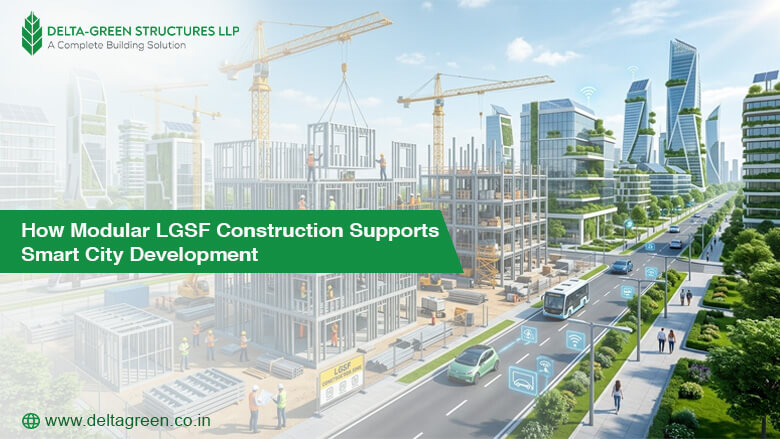
How Modular LGSF Construction Supports Smart City Development

How Modular LGSF Construction Supports Smart City Development Cities today are growing at a pace never seen before. Populations are expanding, infrastructure needs are multiplying, and governments around the world are working toward a shared vision — smart cities that are efficient, sustainable, and future-ready. But building a smart city is not just about digital technology or connected systems. It begins with how the city itself is constructed. Traditional construction methods often struggle with delays, rising costs, and environmental impact. This is exactly where Modular LGSF Construction for Smart City Development is changing the game. Using advanced LGSF construction technology, developers can now build faster, smarter, and more sustainably than ever before. And companies like Delta Green Structures are helping lead this transformation by introducing precision-engineered Lightweight Steel Frame construction solutions designed for modern urban needs. The Construction Challenge Behind Smart Cities Every smart city project aims to create infrastructure that improves quality of life. From residential buildings and commercial hubs to hospitals and educational institutions, everything must be built efficiently, sustainably, and at scale. However, conventional construction often faces common challenges: Long project timelines Weather disruptions High material wastage Increased labour dependency Limited flexibility in design These challenges slow down Smart city infrastructure development, making it harder for cities to keep up with growing urban demands. This is why planners are increasingly turning toward modular construction in smart cities — a modern building approach that prioritizes efficiency, sustainability, and precision. What is Modular LGSF Construction? At its core, Modular LGSF Construction for Smart City Development combines the strength of steel with the efficiency of prefabrication. In Lightweight Steel Frame construction, buildings are created using cold-formed galvalume steel sections. These sections are manufactured with advanced automated machines, ensuring high accuracy and consistent quality. Instead of building everything on-site, structural components are pre-engineered and prefabricated in controlled environments. They are then transported to the site and assembled quickly. This process introduces a smarter way of building cities using Prefabricated steel structures and Fast-track construction technology. With its advanced manufacturing facility and automated Pinnacle machines, Delta Green Structures offers end-to-end LGSF solutions, making large-scale projects faster and more reliable. Speed That Matches the Growth of Modern Cities One of the biggest advantages of Modular LGSF Construction for Smart City Development is speed. Urban development projects often require quick completion to support growing populations. Waiting years for housing or infrastructure can slow economic development. This is where Fast-track construction technology plays a vital role. Since structural components are manufactured off-site, on-site construction becomes significantly faster. Projects that traditionally take over a year can often be completed in 40–60% less time using Modular construction in smart cities. This speed is especially beneficial for: Modern urban housing solutions Commercial complexes Educational institutions Healthcare infrastructure Faster construction not only saves time but also accelerates Smart urban planning solutions, helping cities expand without delays. Sustainability: The Foundation of Smart Urban Development A truly smart city is also a sustainable city. Environmental responsibility is becoming one of the most important aspects of urban development. Governments and developers now prioritize Sustainable construction for smart cities to reduce carbon footprints and environmental impact. LGSF construction technology naturally supports this vision. Here’s how: Reduced Construction Waste Traditional construction generates large amounts of debris and leftover materials. In contrast, prefabricated steel structures are produced with high precision, minimizing waste. Eco-Friendly Materials Steel used in Lightweight Steel Frame construction is recyclable, making it a core component of Eco-friendly construction technology. Energy-Efficient Buildings Modern LGSF designs support Energy-efficient building systems, improving insulation and reducing energy consumption in urban buildings. These advantages make Green building solutions more accessible and practical for large-scale smart city projects. Through innovation and engineering expertise, Delta Green Structures is helping clients implement environmentally responsible infrastructure across diverse geographic conditions. Strength and Safety for Future Cities Smart cities must be designed to withstand environmental challenges and natural disasters. One of the standout advantages of LGSF construction technology is its structural resilience. Steel frames distribute loads more efficiently than traditional concrete structures. This makes them highly reliable as Earthquake-resistant building technology, especially in regions prone to seismic activity. Additional benefits include: High structural accuracy Long-lasting durability Resistance to moisture and pests Lightweight yet strong framework These qualities make Modular LGSF Construction for Smart City Development ideal for long-term urban infrastructure projects. Cost Efficiency for Rapid Urban Expansion Building smarter cities should not mean dramatically increasing costs. Urban planners constantly search for Cost-effective urban construction solutions that balance quality and affordability. Modular LGSF Construction for Smart City Development significantly reduces construction costs through: Faster project completion Lower labour dependency Minimal material wastage Reduced maintenance requirements Because components are manufactured with automated precision, developers gain better control over project budgets. With customizable packages and complete construction support, Delta Green Structures helps clients implement scalable Modern urban housing solutions while maintaining financial efficiency. LGSF vs Traditional Construction for Smart Cities The shift from traditional building techniques to modular steel systems highlights the Role of modular construction in smart city projects. Factor Traditional Construction LGSF Construction Construction Time Slow Fast-track construction technology Environmental Impact High material waste Eco-friendly construction technology Structural Accuracy Moderate High precision Seismic Safety Moderate Earthquake-resistant building technology Energy Efficiency Limited Energy-efficient building systems This comparison clearly demonstrates how LGSF construction supports sustainable urban development. For rapidly expanding cities, Modular LGSF Construction for Smart City Development provides the efficiency, resilience, and sustainability required to support future growth. The Role of Modular Construction in Smart City Projects The Role of modular construction in smart city projects goes far beyond faster buildings. It enables cities to create infrastructure that is: Scalable Sustainable Technologically adaptable Economically viable As urban populations continue to grow, Modular LGSF Construction for Smart City Development provides the flexibility required to build infrastructure quickly while maintaining environmental responsibility. With advanced manufacturing and engineering expertise, Delta Green Structures is contributing to a new era of Smart city infrastructure development across India. Building the Cities of Tomorrow — Today Smart cities are not just

How Modular LGSF Construction Supports Smart City Development Read More »
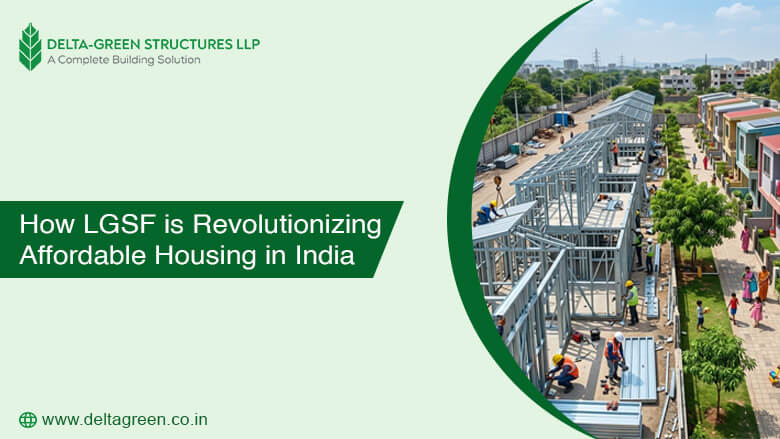
How LGSF is Revolutionizing Affordable Housing in India

How LGSF is Revolutionizing Affordable Housing in India India is facing a housing challenge unlike ever before. With a rapidly growing population and expanding cities, the demand for affordable homes is increasing every year. Millions of families still dream of owning a safe, durable, and comfortable house that fits their budget. Traditional construction methods often struggle to meet this demand. Projects take longer to complete, costs rise unpredictably, and environmental concerns continue to grow. This is exactly where LGSF affordable housing in India is emerging as a transformative solution. Powered by Light Gauge Steel Frame construction, this modern approach to building homes is changing the way affordable housing projects are designed and delivered across the country. Delta Green Structures, which operate one of the only LGSF manufacturing units in North-East India, are playing a vital role in introducing this innovative technology to the construction sector. Let’s explore how LGSF is transforming affordable housing in India and why experts believe it is the future of smart, sustainable housing. Understanding LGSF Technology for Housing Light Gauge Steel Frame construction is a modern building technique that uses cold-formed steel sections to create the structural framework of buildings. These steel components are manufactured with precision using automated machines and then assembled on-site. Unlike traditional brick-and-cement construction, LGSF construction in India follows a prefabricated approach. Structural elements are produced in factories, ensuring accuracy, quality, and faster installation. This method falls under modern construction methods in India, where speed, efficiency, and sustainability are the primary goals. Today, LGSF technology for housing is being used worldwide for residential buildings, low-rise apartments, villas, schools, hospitals, and commercial spaces. The Growing Need for Affordable Housing Solutions in India India requires millions of new homes every year to support urban migration and population growth. Government initiatives such as affordable housing schemes have helped increase supply, but traditional building systems often slow down project delivery. Developers face challenges like: High labour costs Construction delays Material wastage Environmental impact Rising cement and steel prices Because of these issues, affordable housing solutions in India must adopt technologies that reduce cost, shorten timelines, and improve structural performance. This is where LGSF affordable housing in India offers a practical and scalable solution. Fast Construction Technology in India: Speed That Matters One of the biggest advantages of LGSF construction in India is speed. Traditional buildings may take 12–18 months to complete, but prefabricated steel structures for housing can significantly reduce construction timelines. Since the components are manufactured in advance, the on-site assembly process becomes much faster. This makes fast construction technology in India ideal for: Mass housing developments Low-cost housing projects in India Post-disaster housing Urban residential communities With faster completion times, developers can deliver homes sooner and reduce overall project costs. At Delta Green Structures, automated Pinnacle machines are used to manufacture high-precision LGSF components, ensuring faster and more efficient construction outcomes. LGSF vs. RCC Construction Cost in India When discussing LGSF vs. RCC construction cost in India, many developers are surprised by the long-term advantages of steel frame systems. While RCC (Reinforced Cement Concrete) construction has been widely used for decades, it involves heavy materials, longer curing times, and higher labour dependency. On the other hand, cost-effective housing construction with LGSF offers several financial advantages: Reduced labour requirements Faster project completion Minimal material wastage Lower transportation costs Long-term durability and reduced maintenance For low-cost housing projects in India, these benefits make LGSF affordable housing in India an extremely attractive option. Sustainable Housing Construction in India Modern cities require building technologies that protect the environment while meeting housing needs. This is why sustainable housing construction in India is gaining attention. LGSF systems support green building technology in India in multiple ways: Steel is 100% recyclable Minimal construction waste Lower water consumption during construction Energy-efficient building designs Compared to conventional building methods, prefabricated steel structures for housing significantly reduce the carbon footprint of construction projects. As sustainability becomes a global priority, green building technology in India will continue to rely on advanced systems like LGSF. Earthquake-Resistant Housing Solutions India has several seismic zones where earthquakes are a real concern. Safety and structural stability become extremely important in such regions. One major advantage of Light Gauge Steel Frame construction is its flexibility and strength. Steel structures can absorb seismic forces better than many traditional materials. This makes earthquake-resistant housing solutions possible even in challenging terrains such as mountainous regions and high-risk zones. For regions in North-East India and the Himalayan belt, this benefit makes LGSF construction advantages for residential projects even more valuable. Companies like Delta Green Structures have the expertise to build in challenging climatic conditions and geographical terrains, making LGSF ideal for these locations. Benefits of LGSF Construction for Low-Cost Housing When evaluating benefits of LGSF construction for low-cost housing, several factors stand out. Faster Project Delivery: Projects can be completed significantly faster than traditional construction. High Structural Strength: Steel frames provide exceptional durability and stability. Reduced Construction Waste: Factory manufacturing ensures better material usage. Design Flexibility: Architects can create modern layouts and innovative housing designs. Lower Long-Term Maintenance: Steel structures resist termites, rot, and moisture damage. Because of these advantages, LGSF affordable housing in India is becoming a preferred choice for developers, architects, and government housing initiatives. The Role of Delta Green Structures in Modern Housing As the demand for innovative housing solutions grows, technology-driven companies are leading the transformation. Delta Green Structures is among the pioneers bringing advanced LGSF technology for housing to the region. With cutting-edge manufacturing capabilities and fully automated machines, the company delivers high-precision steel frame systems designed for durability and efficiency. Being the only LGSF manufacturing unit in North-East India, Delta Green Structures provides end-to-end turnkey construction services, supporting both private and government projects. By combining engineering expertise with modern building technology, the company is helping accelerate the adoption of modern construction methods in India. The Future of Affordable Housing in India The housing demand in India will continue to grow in the coming decades. To meet this demand

How LGSF is Revolutionizing Affordable Housing in India Read More »

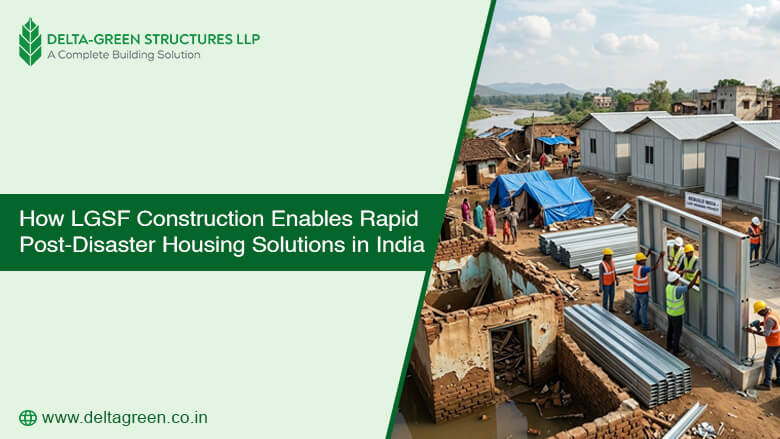
How LGSF Construction Enables Rapid Post-Disaster Housing Solutions in India

How LGSF Construction Enables Rapid Post-Disaster Housing Solutions in India Natural disasters strike without warning. From devastating floods in Assam to powerful earthquakes in Himalayan regions and cyclones along India’s eastern coastline, disasters leave thousands of families without shelter overnight. In these critical moments, the biggest challenge is not just rescue — it is rebuilding homes quickly, safely, and sustainably. This is where LGSF construction for post-disaster housing in India is transforming the way recovery and reconstruction happen. Modern Light Gauge Steel Frame (LGSF) technology is helping governments, relief organizations, and construction companies deliver rapid post-disaster housing solutions in India that are durable, cost-effective, and ready in a fraction of the time compared to traditional construction. Delta Green Structures are at the forefront of this transformation, using advanced LGSF technology and precision manufacturing to create homes that help communities recover faster after disasters. The Urgent Need for Rapid Post-Disaster Housing in India India faces frequent natural disasters due to its diverse geography and climate conditions. Earthquakes in the Himalayan belt, floods in the Northeast, landslides in hilly regions, and cyclones along coastal areas often destroy thousands of homes within hours. Traditional brick-and-cement construction struggles to respond to such emergencies because it requires: Long construction timelines Large labor forces Weather-dependent building processes Significant material transportation These limitations make it difficult to deliver emergency housing solutions after natural disasters when people urgently need shelter. This is why experts are increasingly turning toward LGSF construction technology in India — a modern approach designed for speed, durability, and efficiency. What is LGSF Construction? Light Gauge Steel Frame construction is a modern prefabricated building system where structures are made using cold-formed galvanized steel sections. Instead of constructing everything on-site, the building components are precision-engineered in factories using automated machines. These components are then transported to the site and assembled quickly. This method of prefabricated steel frame construction significantly reduces construction time while maintaining structural strength. At Delta Green Structures, advanced automated manufacturing systems are used to produce high-precision LGSF components that enable faster project completion without compromising quality. Why LGSF is Ideal for Post-Disaster Housing When rebuilding communities after disasters, speed alone is not enough. The houses must also be safe, resilient, and sustainable. 1. Faster Construction for Immediate Shelter One of the biggest advantages of LGSF construction for post-disaster housing in India is its rapid installation. Since most structural components are prefabricated in factories, onsite construction mainly involves assembling pre-designed frames. This enables: Houses to be constructed in weeks instead of months Faster relocation of displaced families Quick execution of disaster relief housing projects in India Such fast-track construction technology in India can dramatically reduce the time people spend living in temporary camps. 2. Earthquake-Resistant Structures Many disaster-prone regions in India fall within high seismic zones. Conventional masonry structures are often vulnerable to earthquakes. However, earthquake-resistant LGSF buildings offer superior safety due to: Flexible steel framing Lightweight structural design Even load distribution Steel structures absorb seismic energy better, making them highly suitable for disaster-resistant housing in India. 3. Flood-Resistant Construction Floods regularly affect large parts of India, especially in the Northeast and river basin regions. LGSF structures provide effective flood-resistant housing construction in India because: Steel does not absorb water like traditional materials Elevated modular designs can reduce flood impact Materials resist warping and deterioration This makes light gauge steel frame buildings ideal for rebuilding homes in flood-prone areas. 4. Modular and Scalable Housing Another major benefit of LGSF technology is its flexibility. Modular housing  solutions in India allow homes to be designed in standardized modules that can be expanded later as families rebuild their lives. This approach enables governments and developers to create: Temporary relief housing Permanent residential units Community infrastructure like schools and clinics With LGSF, entire communities can be reconstructed using efficient modular designs. 5. Cost-Effective Reconstruction Budget constraints often delay reconstruction after disasters. However, cost-effective post-disaster housing can be achieved using LGSF due to: Reduced construction time Lower labor costs Minimal material wastage Long-term durability These benefits make LGSF highly suitable for government disaster housing schemes in India, where efficiency and scalability are critical. 6. Sustainable Post-Disaster Reconstruction Modern disaster recovery must also consider environmental sustainability. LGSF technology supports sustainable post-disaster reconstruction through: Recyclable steel materials Reduced construction waste Energy-efficient building designs Minimal environmental impact Compared to traditional construction methods, LGSF structures are significantly more eco-friendly. Supporting Government Disaster Recovery Programs India has several initiatives aimed at rebuilding homes after disasters, including rural housing programs and emergency relief projects. The use of modern construction methods for disaster recovery like LGSF can significantly enhance the efficiency of these programs by enabling faster project completion and improved structural safety. With the increasing demand for disaster relief housing projects in India, innovative technologies are becoming essential for large-scale reconstruction. Organizations with advanced infrastructure and expertise — such as Delta Green Structures — play an important role in supporting these initiatives by providing end-to-end LGSF building solutions. The Future of Disaster-Resilient Housing in India As climate change increases the frequency and intensity of natural disasters, India must adopt construction technologies that prioritize speed, resilience, and sustainability. LGSF construction for post-disaster housing in India is emerging as one of the most reliable solutions to address these challenges. With benefits such as rapid construction, structural strength, environmental sustainability, and cost efficiency, LGSF is redefining how communities rebuild after disasters. Companies like Delta Green Structures, equipped with cutting-edge manufacturing technology and expertise in challenging climatic conditions, are helping bring this modern construction revolution to reality. Rebuilding Hope Through Smarter Construction Every disaster leaves behind stories of loss but also opportunities to rebuild stronger. By adopting fast-track construction technology in India, disaster-prone communities can recover faster and build homes that are safer for the future. LGSF construction technology in India is not just about building structures. It is about restoring stability, dignity, and hope for families who have lost everything. With innovative companies such as Delta Green Structures leading the way, the future of rapid post-disaster housing

How LGSF Construction Enables Rapid Post-Disaster Housing Solutions in India Read More »

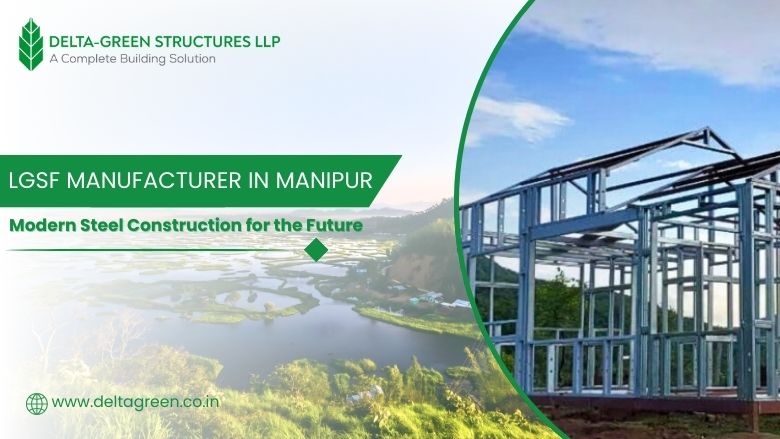
LGSF Manufacturer in Manipur: Modern Steel Construction for the Future

Manipur’s Construction Revolution: Why Smart Building Matters Now Manipur stands at a construction crossroads. The state is experiencing unprecedented urbanization—Imphal’s population growing, Ukhrul and Churachandpur expanding rapidly, commercial districts emerging. Yet traditional construction methods remain unchanged. Brick walls, concrete pillars, labor-intensive processes that take 18-24 months per project. But Manipur’s unique challenges demand smarter solutions:  Seismic Reality: Manipur sits in an earthquake-prone zone. Traditional brick structures crack, settle, and fail during seismic events. Modern steel frame construction offers what brick cannot: flexibility, ductility, and proven earthquake resistance. Monsoon Impact: 5-6 months of heavy rainfall annually. Traditional construction halts during monsoon season. Light Gauge Steel Frame (LGSF) manufacturing happens in climate-controlled factories—monsoon delays zero. Labor Constraints: Finding skilled brick masons has become nearly impossible. LGSF construction requires less specialized on-site labor, making it pragmatically superior in Manipur’s current employment landscape. Affordability Demand: Manipur’s State Affordable Housing Policy (2022) explicitly encourages LGSF technology. The Pradhan MantriAwas Yojana-Urban 2.0 offers Technology Innovation Grants of ₹3,000/sqm for LGSF projects. The question isn’t whether modern steel construction in Manipur is needed. Why haven’t we adopted it faster? What Is LGSF? The Technology Reshaping Manipur Light Gauge Steel Frame uses thin sheets of cold-formed galvanized steel (1-3mm thickness) to create precision-engineered structural frames. Unlike traditional masonry, LGSF components are manufactured in controlled factory environments, then rapidly assembled on-site. Key Components: Steel Studs: Vertical framework support members Steel Tracks: Horizontal channels guiding studs Joists: Floor and ceiling support Bracing: Diagonal stability members Sheathing: Wall and roof panels Fasteners: Secure connections Insulation: Energy efficiency and soundproofing Connections: Structural integrity details Why This Matters for Manipur: Factory manufacturing = quality regardless of monsoon. Galvanized steel = corrosion resistance in humid climates. Precision engineering = zero settling cracks. Lightweight = lower foundation costs. Why LGSF Construction is Booming in Manipur: Five Compelling Reasons 1. Speed: 60% Faster Than Traditional (9 Months vs 18-24) Factory pre-fabrication happens in parallel with site preparation. Monsoon doesn’t delay factory production. Fast-track construction with LGSF technology means: Developers recover investments faster Homebuyers occupy sooner Government housing targets become achievable 2. Earthquake Safety (Critical for Manipur’s Seismic Zone) Earthquake-resistant steel structures are proven. Steel’s ductility absorbs seismic energy instead of resisting rigidly. During earthquakes, LGSF buildings move safely with the ground. Brick buildings fight the ground—they fail. This is essential for Manipur. 3. Monsoon Resilience (5-6 Months Annual Rainfall) LGSF manufacturing is completely weather-independent. Projects don’t lose 5-6 months. Quality isn’t compromised by rain exposure. Timelines become predictable—critical for government and commercial projects. 4. Humidity & Pest Resistance Manipur’s humid climate creates moisture problems in traditional structures. LGSF solves this fundamentally.     resists corrosion. Steel doesn’t attract termites. No moisture problems. No settling. Long-term durability brick cannot match.    5. Government Incentives & Affordability Manipur’s Affordable Housing Policy explicitly encourages LGSF. PMAY-U 2.0 offers ₹3,000/sqm Technology Innovation Grants for LGSF projects. Cost-effective steel construction isn’t marketing—it’s government-backed reality. Key Advantages: Why LGSF Outperforms Traditional Construction Advantage Traditional LGSF Manipur Impact Construction Time 18-24 months 6-9 months Faster ROI, faster occupancy Labor Requirement Highly skilled Semi-skilled Solves Manipur’s labor shortage Monsoon Impact 5-6 month delays Zero delays Predictable timelines Earthquake Safety Fails in seismic Proven resistant Critical for Manipur zone Durability 30-40 years 50+ years Lower long-term costs Maintenance Settling cracks, repairs Zero settling cracks No future maintenance Waste Generation 40-50% waste 5-15% waste Environmental + cost savings Total Cost Baseline 15-20% lower Significant savings Real-World Applications in Manipur Residential: 2-3 BHK apartments for affordable housing (PMAY grant eligible) Institutional: Schools, colleges, government offices, hospitals Commercial: Retail complexes, IT parks, hospitality projects Industrial LGSF Structures: Warehouses, manufacturing, storage Rapid Response: Emergency shelters, disaster reconstruction (earthquake recovery) Why Choose Delta Green for LGSF in Manipur? Delta Green Structures is the Only Full-Service LGSF Manufacturer in North-East India. Unique Advantages: Local Presence, Deep Expertise Operating in Manipur, we understand the local climate, seismic vulnerability, monsoon challenges, building codes, and employment landscape. Complete Integration (Design + Manufacturing + Construction) Most competitors do one or two services. We provide integrated solutions. No vendor fragmentation. Single accountability. Quality control from concept to delivery. Government Project Experience Proven track record with state housing boards, government compliance, and large-scale project execution. Advanced Technology Top-tier LGSF materials, fully automated Pinnacle machines, precision-engineered designs, factory quality control that traditional on-site construction cannot match. Proven Results Quality structures exceeding industry standards. Shorter turnaround times. Real engineering excellence. Customizable Solutions Every project is different. Bespoke packages, flexible consulting, support adapted to specific needs. Sustainable Construction Aligns with green building certifications. Supports government sustainability mandates. Economical and environmental. FAQs: Common Questions About LGSF in Manipur Q: Is LGSF more expensive than traditional? A: Initially 5-10% more. Total cost? 15-20% lower when accounting for speed, labor efficiency, minimal waste, and zero settling issues. PMAY grants further offset costs. Q: Is LGSF safe in Manipur's earthquakes? A: Absolutely. Steel’s flexibility absorbs seismic energy. Proven globally in earthquake zones. Ideal for Manipur. Q: How does LGSF handle the monsoon climate? A: Factory manufacturing is monsoon-proof. Production unaffected. On-site assembly is weatherproofed. Quality is never compromised by rain. Q: How long do LGSF buildings last? A: 50+ years minimum. Galvanized coating provides superior corrosion protection in humid climates. Q: Is LGSF suitable for affordable housing projects? A: Perfect. Cost-efficient, fast-track, scalable. PMAY-U 2.0 offers substantial grants specifically for LGSF. Q: Can I customize designs with LGSF? A: Yes completely. Complex architectural plans, open floor layouts, custom interiors—all possible while maintaining structural integrity and earthquake safety. Q: Does LGSF work for industrial structures? A: Yes. Warehouses, manufacturing facilities, solar mounting structures—versatile across all applications. Q: Who should use LGSF in Manipur? A: Developers (faster ROI), homebuyers (quality + earthquake safety), government (affordability targets), commercial builders (design flexibility). Essentially, anyone building modernly in Manipur. Conclusion: The Smart Choice for Manipur’s Future Manipur’s construction evolution isn’t optional—it’s urgent. Rapid urbanization demands modern solutions. Seismic vulnerability demands earthquake-safe structures. Monsoon challenges demand weather-proof construction. Affordability demands cost-effective technology. LGSF—particularly through Delta Green Structures as Manipur’s only full-service LGSF manufacturer—provides the integrated answer. We offer:

LGSF Manufacturer in Manipur: Modern Steel Construction for the Future Read More »